Decide what a robot can take off your routine
Define the recurring floor task, then account for preparation, missed areas and upkeep before assigning a robot a role.
Updated:
Give the robot a specific task
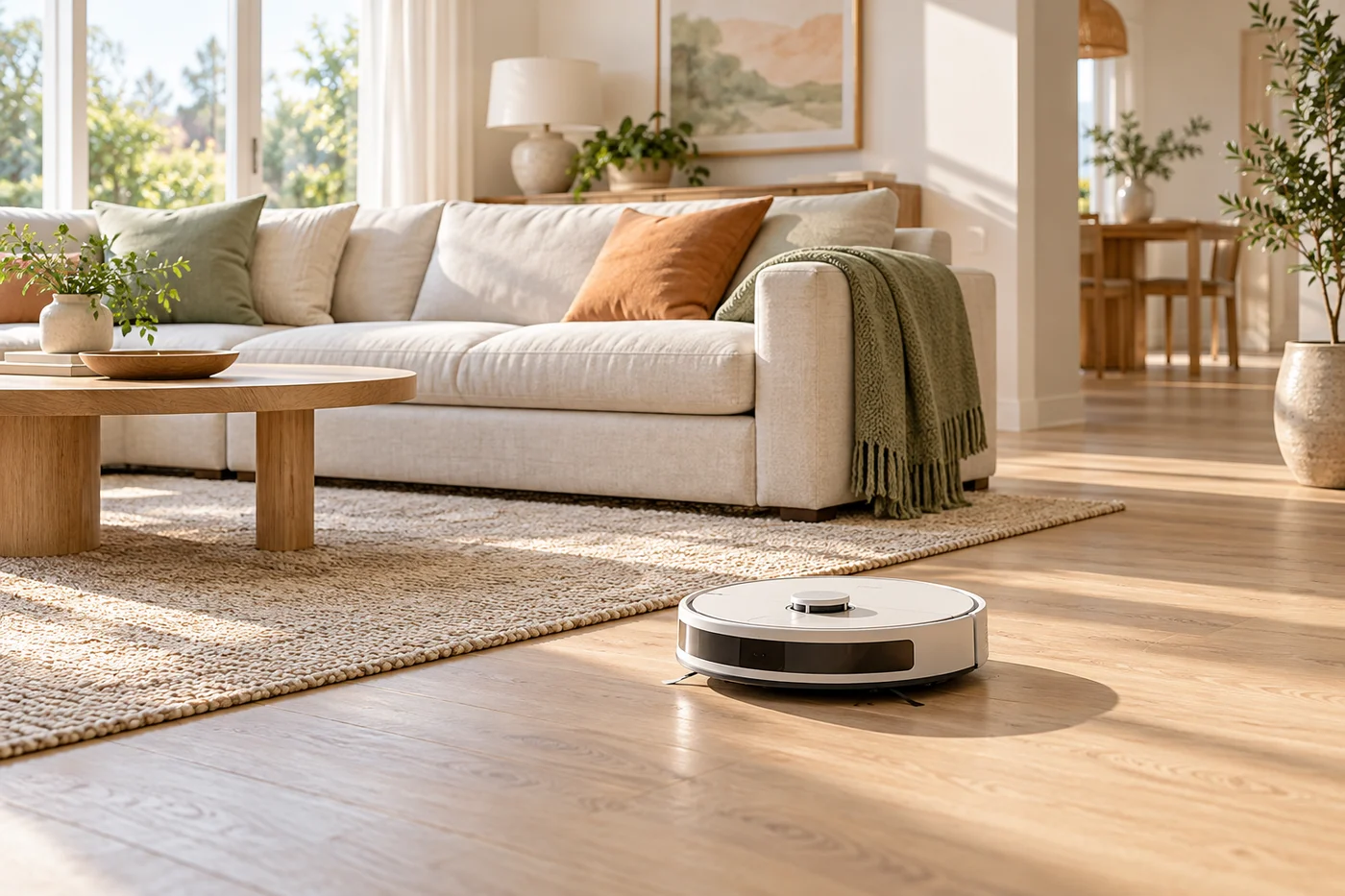
Before comparing models, write the recurring floor task you want to delegate. It might be loose debris in an accessible living area between manual cleaning sessions. Keep above-floor work, stairs and any excluded surfaces outside that description unless the exact equipment genuinely addresses them. A clear job description prevents a robot purchase from becoming an unsupported promise to replace the whole cleaning routine.
Describe when the task happens and who normally does it. The value of automation depends on the work you want to change, not just on a list of features. If the main frustration is cleaning a staircase or upholstery, a floor robot may leave that central problem untouched even if it performs its own documented floor task well.
Compare your effort using declared inputs
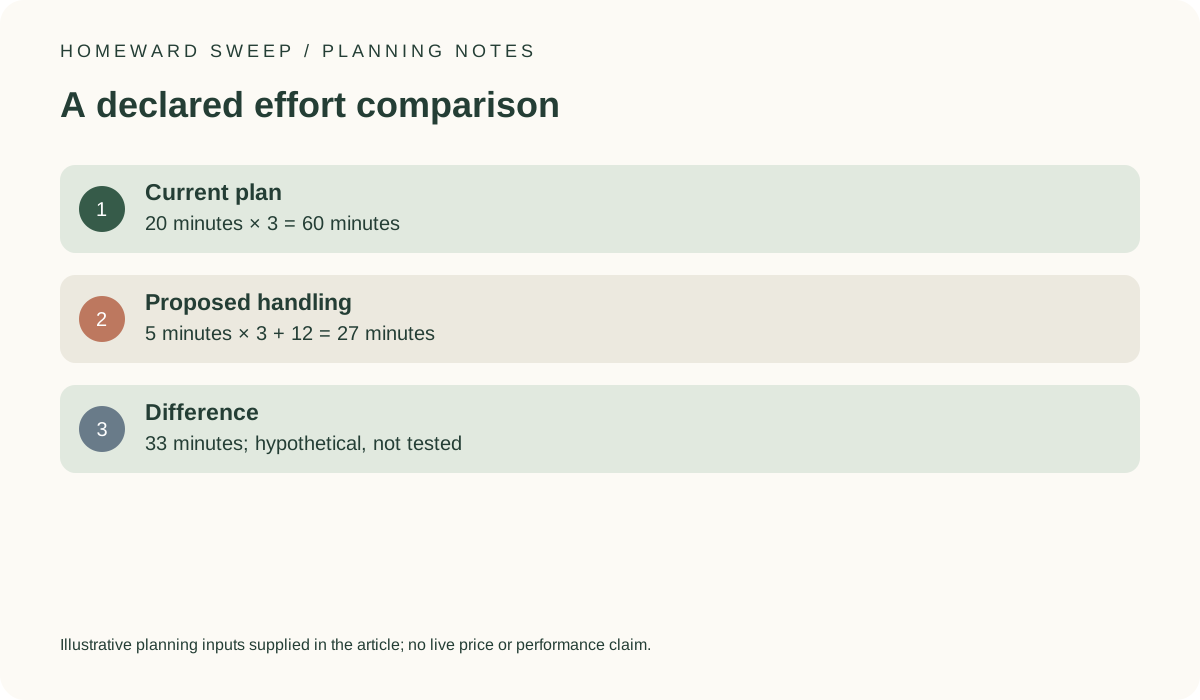
Consider a hypothetical current routine of 20 active minutes per session, 3 sessions each week: 60 minutes. Now assume a proposed robot routine would require 5 minutes of preparation for each of those sessions plus 12 minutes of weekly upkeep. That estimate is 27 minutes, a difference of 33 minutes. None of these values is measured performance or a guaranteed saving.
The useful exercise is to identify which inputs would need observation. If preparation takes longer, the result changes. If manual follow-up remains necessary, add it instead of counting it as work already eliminated. Our weekly effort calculator can add the recurring handling entries, but it cannot establish how well a robot cleans or how much time your household will actually save.
Keep remaining equipment in the plan
A robot's role can be useful without removing every other cleaner. List the tasks that remain, such as areas outside its route or jobs above the floor. Decide where the existing equipment will live and whether its ordinary consumables still belong in the budget. Avoid counting the robot as a replacement cost saving unless you will actually stop owning or purchasing the other equipment.
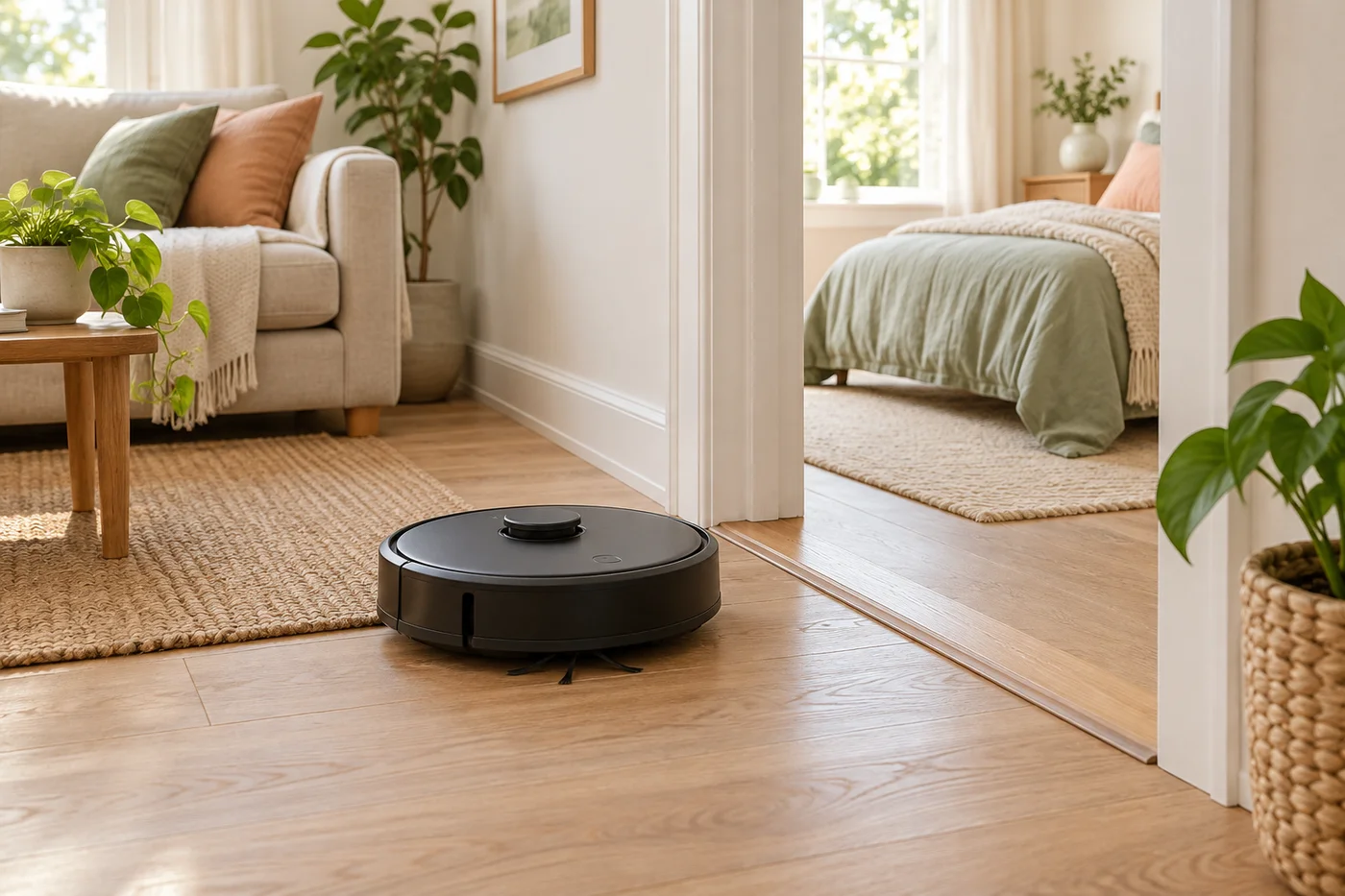
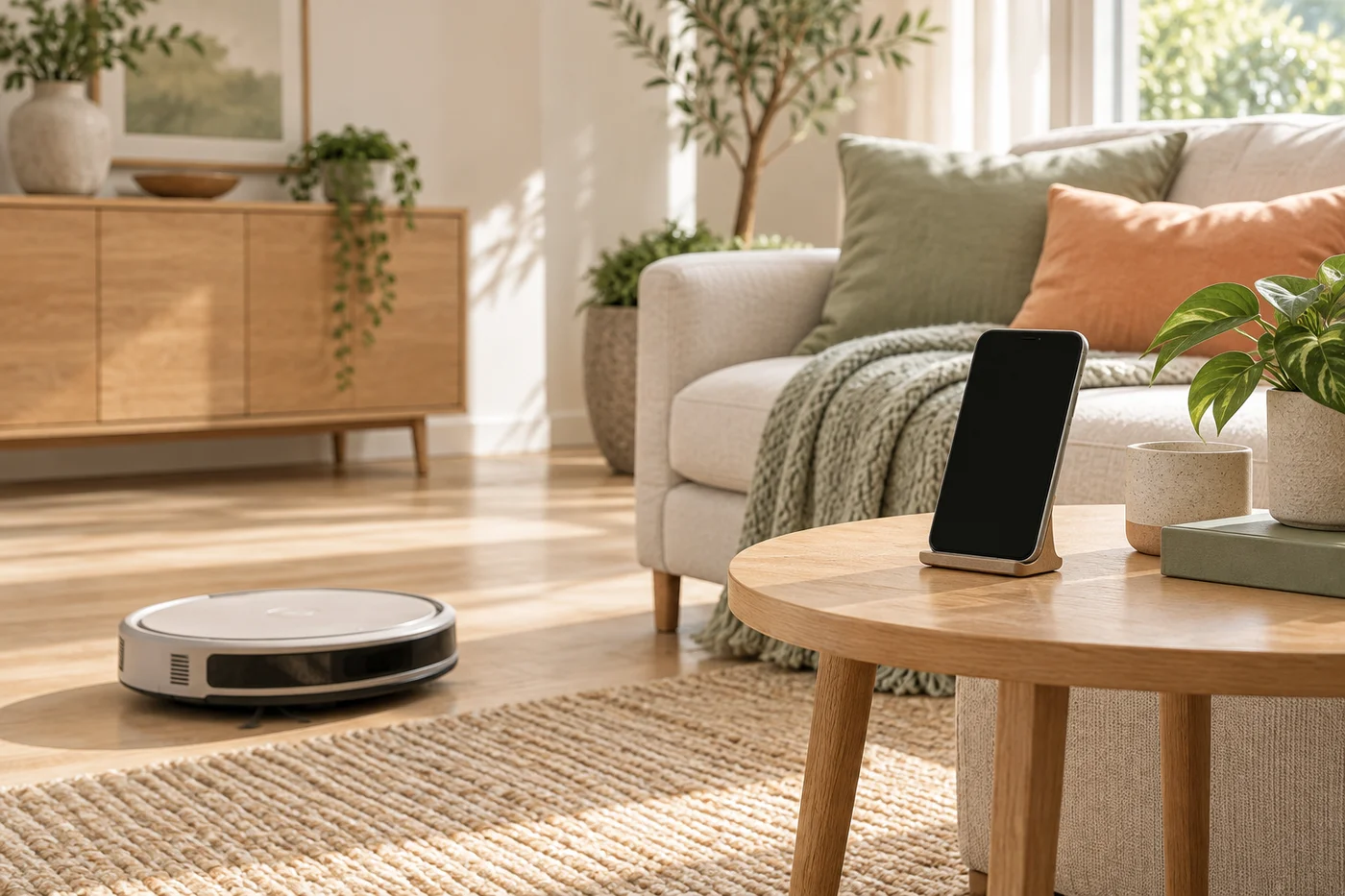
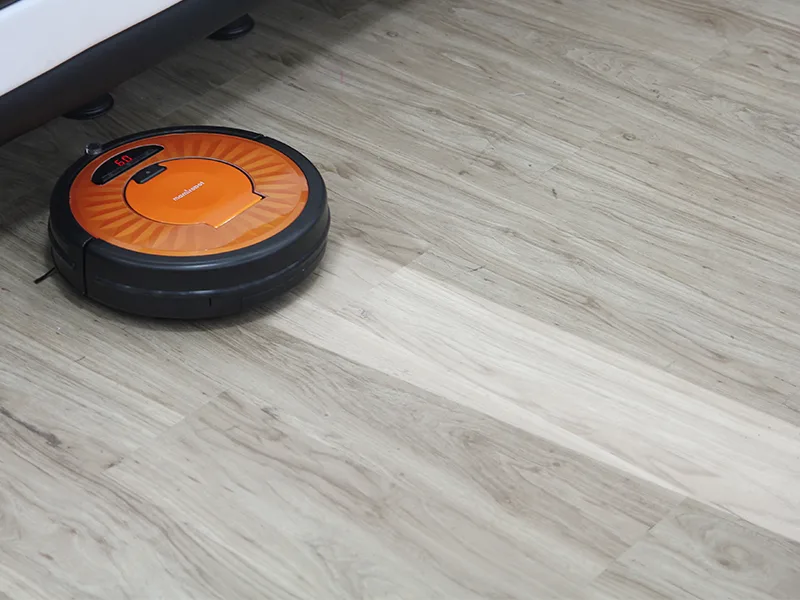
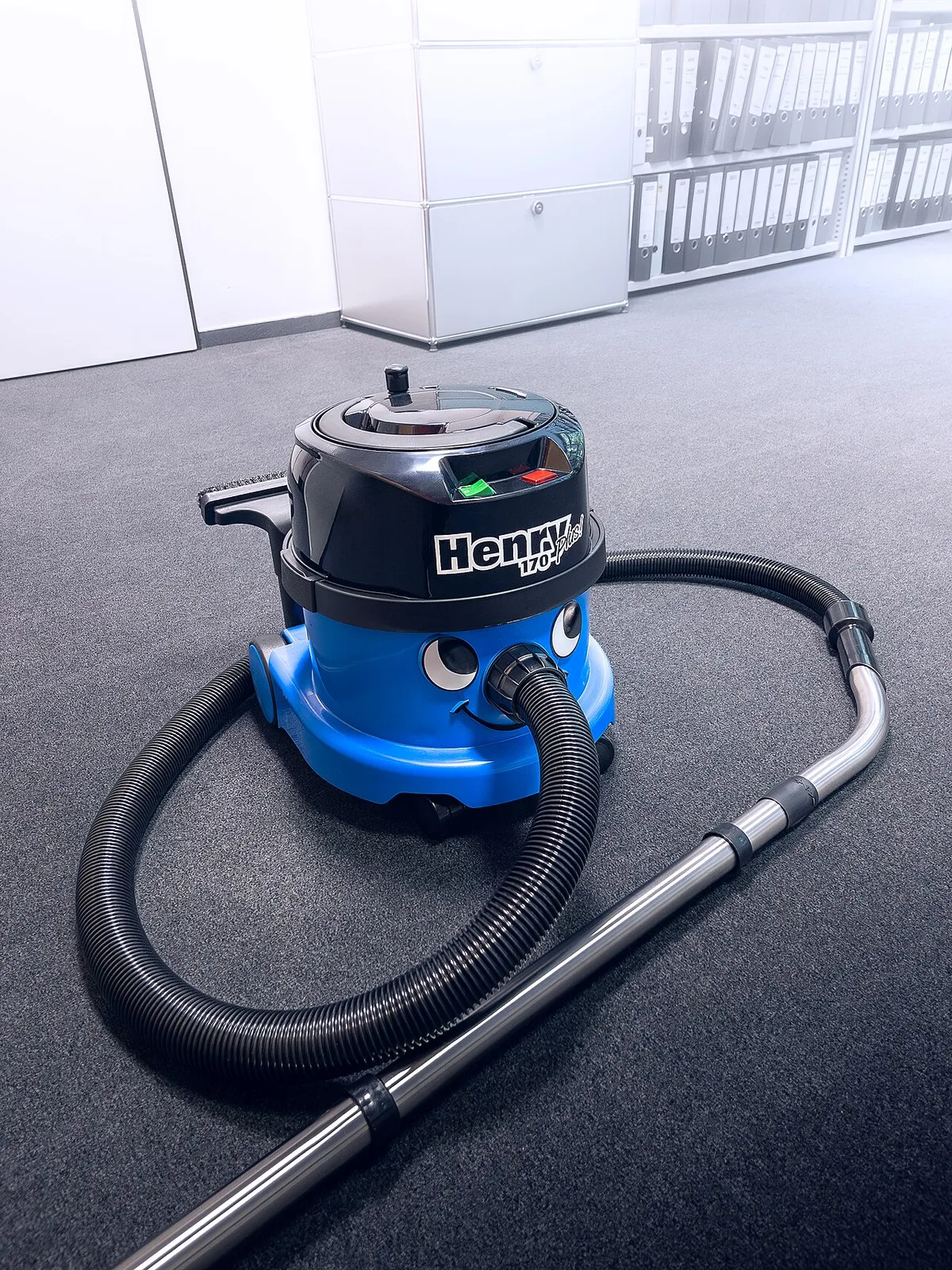
The canister photograph makes a hose-based system visible alongside the low robot body. It is a distinction in physical form and task access, not a comparative performance test. Neither photo establishes which model should be bought. Use them to keep the different jobs understandable while reviewing exact manuals and your own room layout.
Include the dock and the person doing upkeep
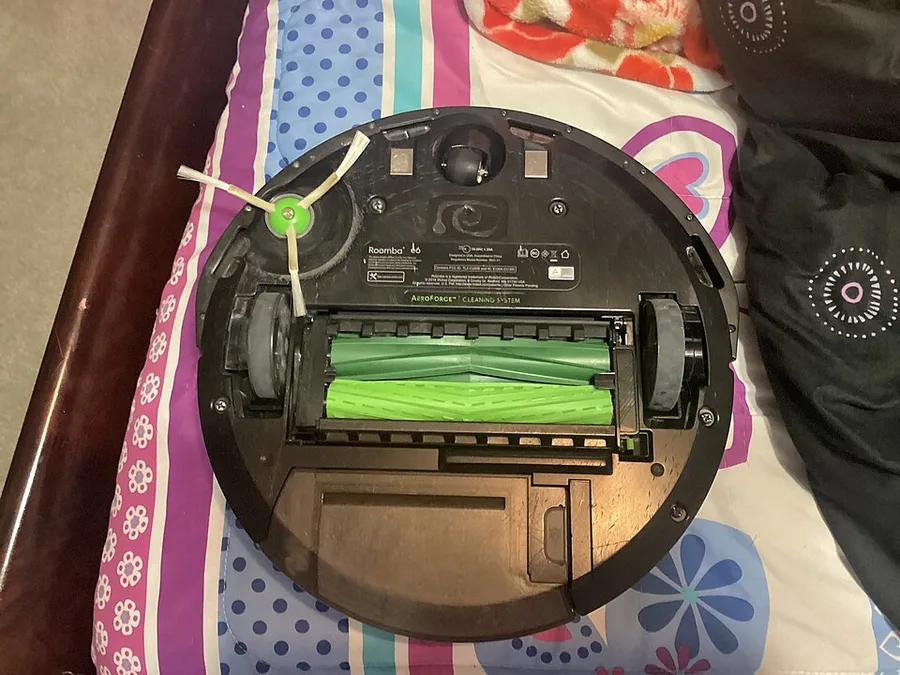
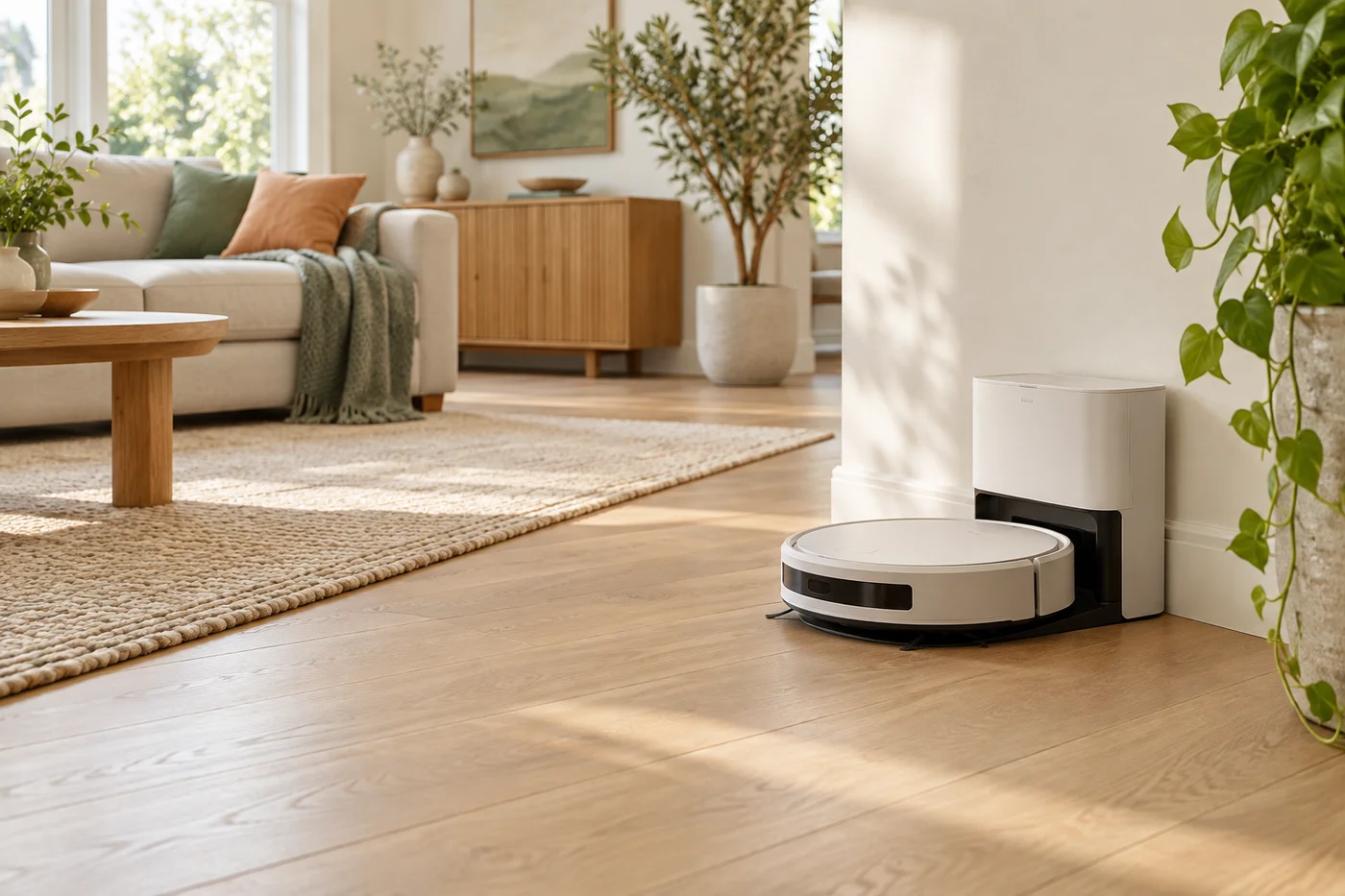
The robot's fixed station is part of its role in the room. A small moving body does not mean a small total installation. iRobot's Home Base document is an example of a station with explicit positioning guidance; your candidate's station needs its own applicable review. Also identify who handles the ordinary care tasks and whether those tasks fit the household routine.
A feature described as self-emptying or self-cleaning should be read with its specific scope. Do not turn it into a statement that no one ever handles waste, supplies or components. Record the tasks that remain in the manual and add a reasonable personal time allowance. Treat that allowance as an estimate until you have observations.
iRobot Home Base positioning guidance ?
Choose a trial question rather than a guaranteed outcome
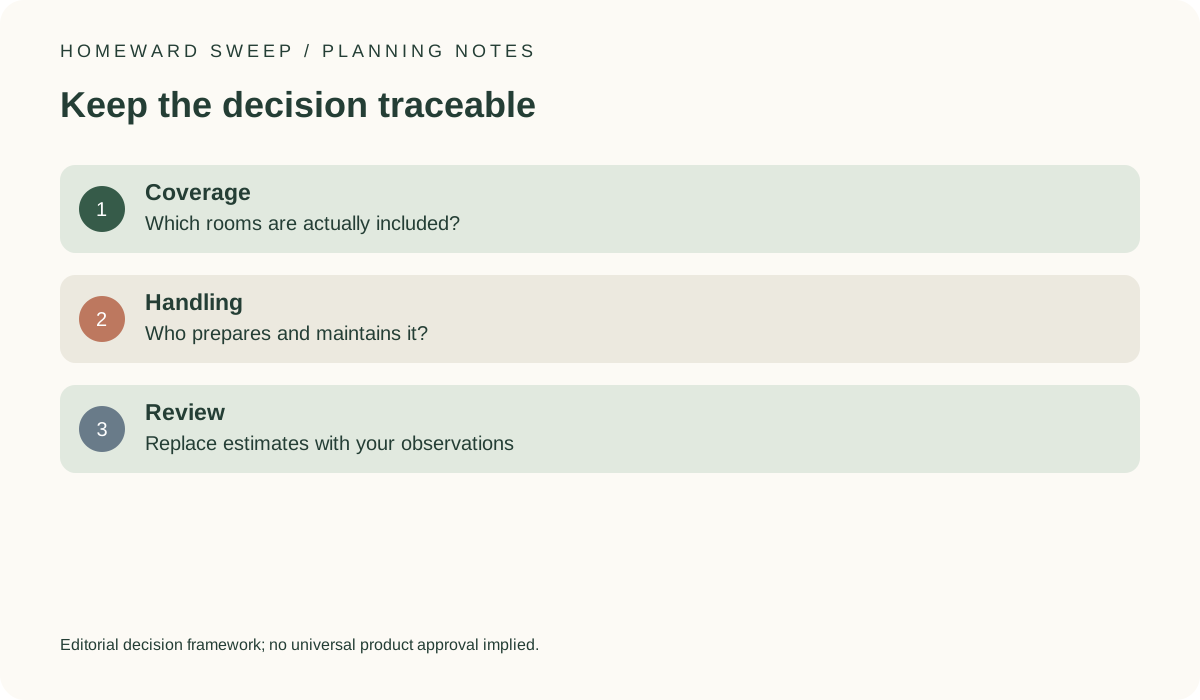
A useful decision might be: will this exact robot handle the accessible living-room floor often enough to reduce the manual sessions I dislike? The answer requires route fit, documented use and eventual experience. Preserve your starting assumptions and identify what would count as a successful result. A favorable feature list alone does not answer that household question.
If the proposed routine depends on moving many objects, excluding the most important room or finding unavailable storage, revise the plan before ordering. You may still decide the narrower task is worthwhile. The important result is an honest assignment of work, with the remaining effort visible, rather than a general claim that automation makes the home maintenance-free.