Make a cleaning plan for a mixed-floor home
Give every surface a permitted method and keep the transitions visible instead of assigning one setting to the entire home.
Updated:
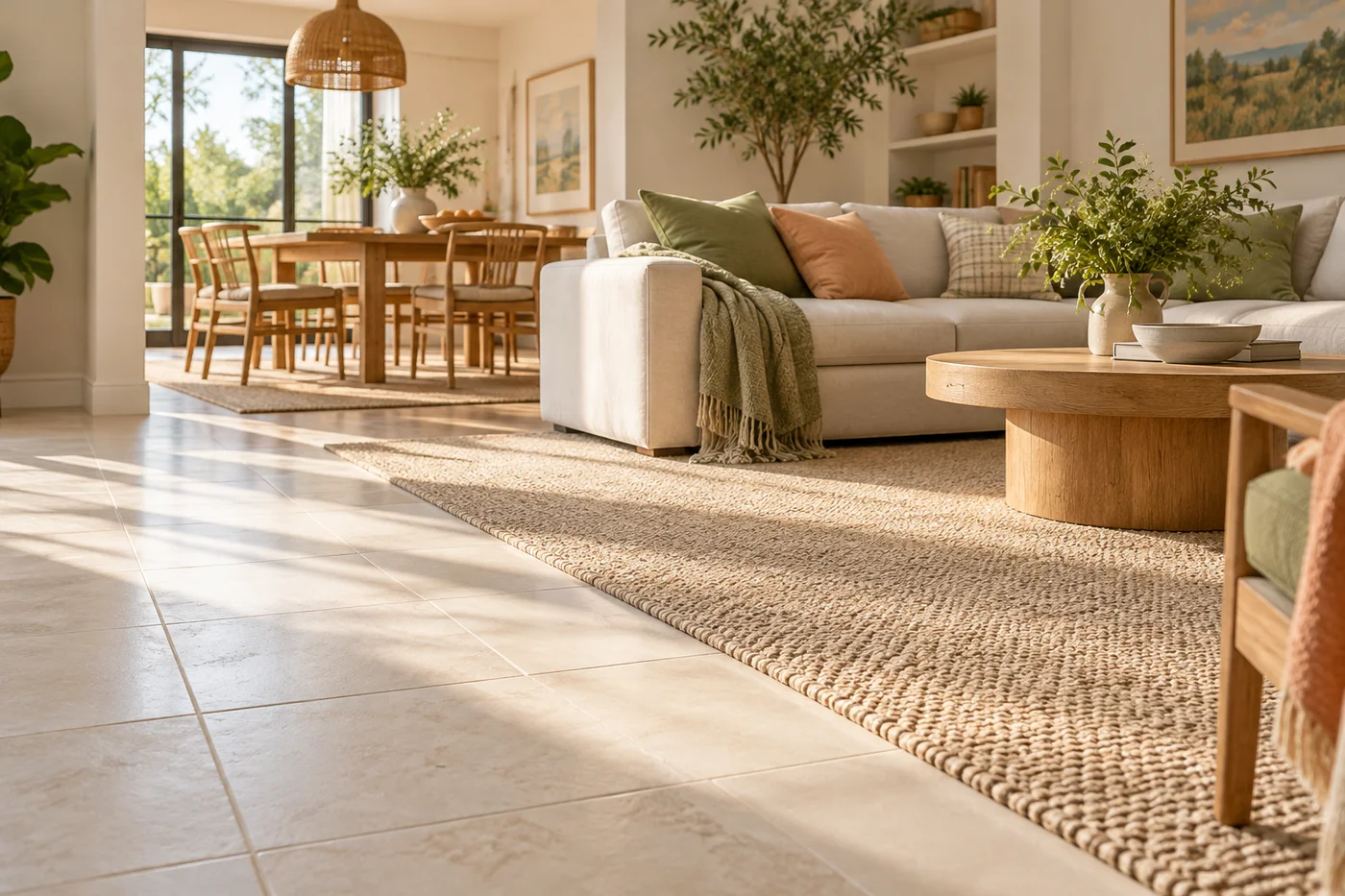
Assign a method to each surface
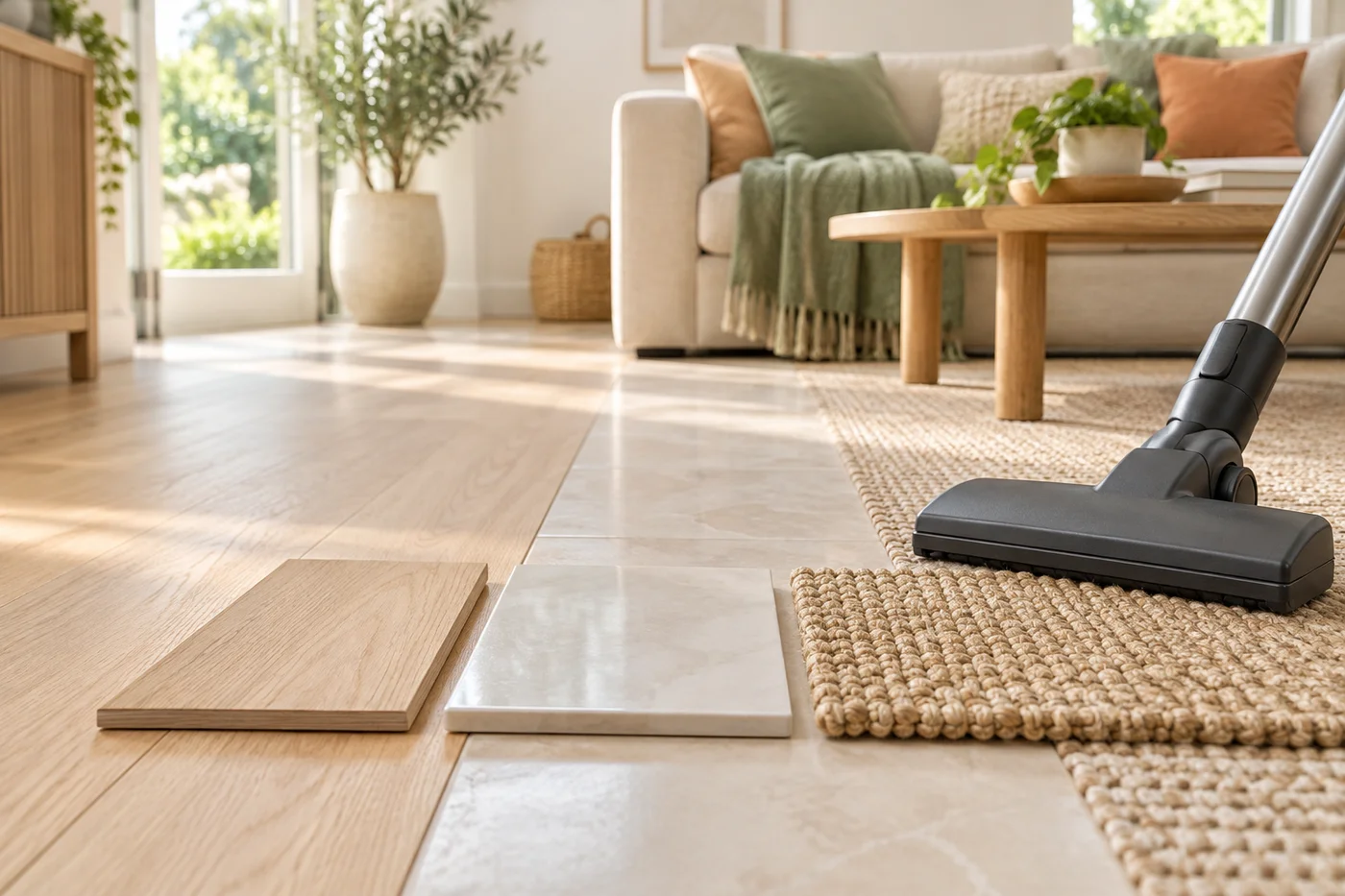
A mixed-floor plan should name the material in each room and the method permitted by its care instructions. Put an area rug on its own line, even when it sits inside a room already listed. Separate dry pickup from any permitted damp cleaning. This prevents a convenient whole-home routine from overriding a restriction at a doorway or rug edge. The plan can be short: room, surface, task, method and the equipment used.
Start with the flooring documents already available from installation or purchase. A photograph of the room is useful for identifying transitions but cannot prove the material or finish. Where identification is uncertain, keep the method unresolved and use the applicable care information before adding heat, moisture or a powered brush.
Shaw Floorte homeowner care sheet (2019) ?
Estimate work without treating estimates as results
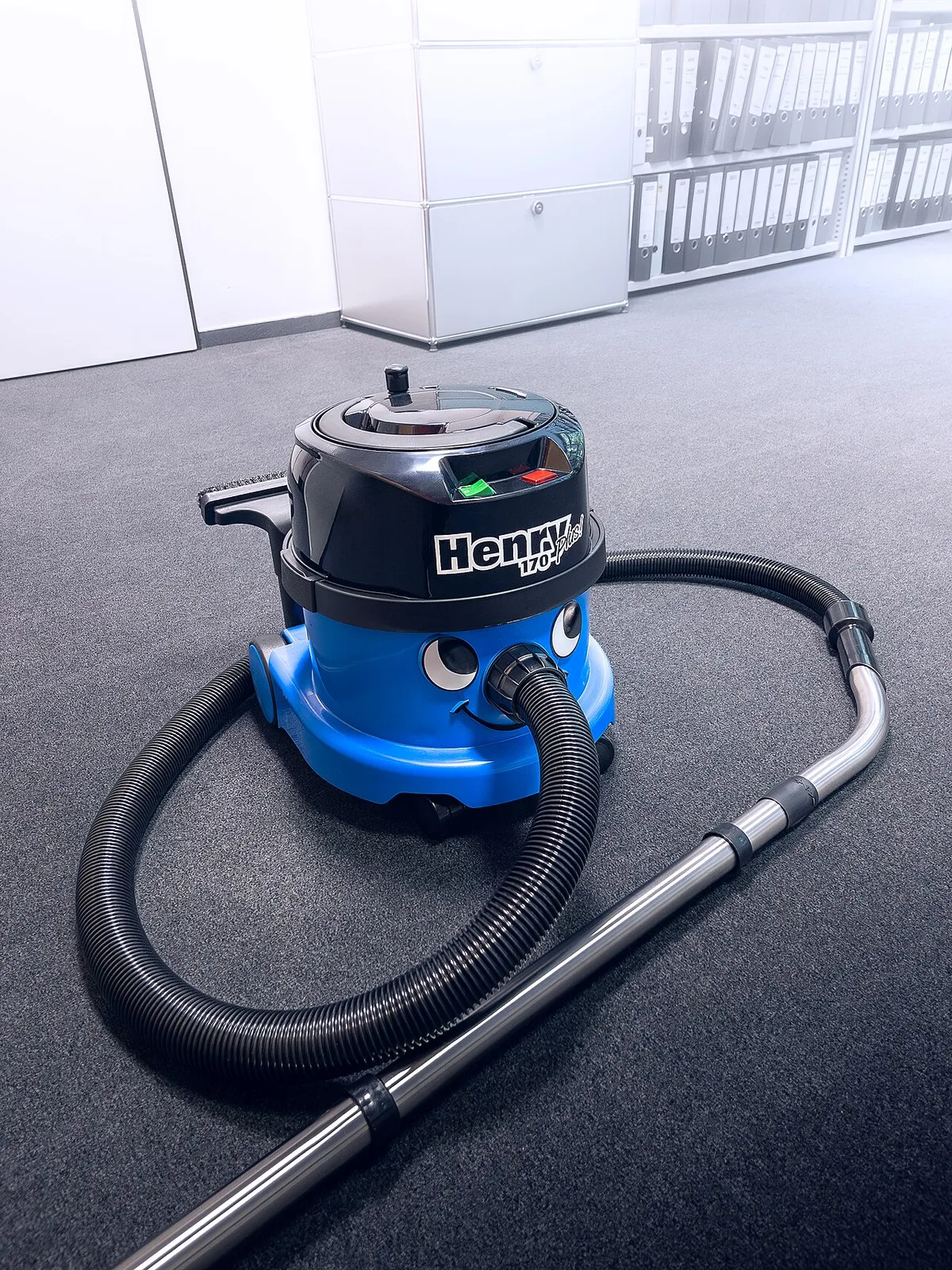
For a hypothetical week, assume dry pickup takes 15 minutes on each of 3 occasions. That gives 45 minutes. Add a permitted damp-cleaning task lasting 10 minutes once in the week, bringing the active-task total to 55 minutes. These inputs are invented to show the arithmetic; they are neither measured cleaning times nor a prediction for your home.
Write setup and upkeep separately if they take additional time. Our weekly effort tool can add recurring cleaning and upkeep, while a paper room list preserves the different methods. Change the inputs after observing your own routine. The purpose is to make a manageable schedule, rather than to turn a manufacturer's runtime claim into a guaranteed household time saving.
Treat transitions as decisions
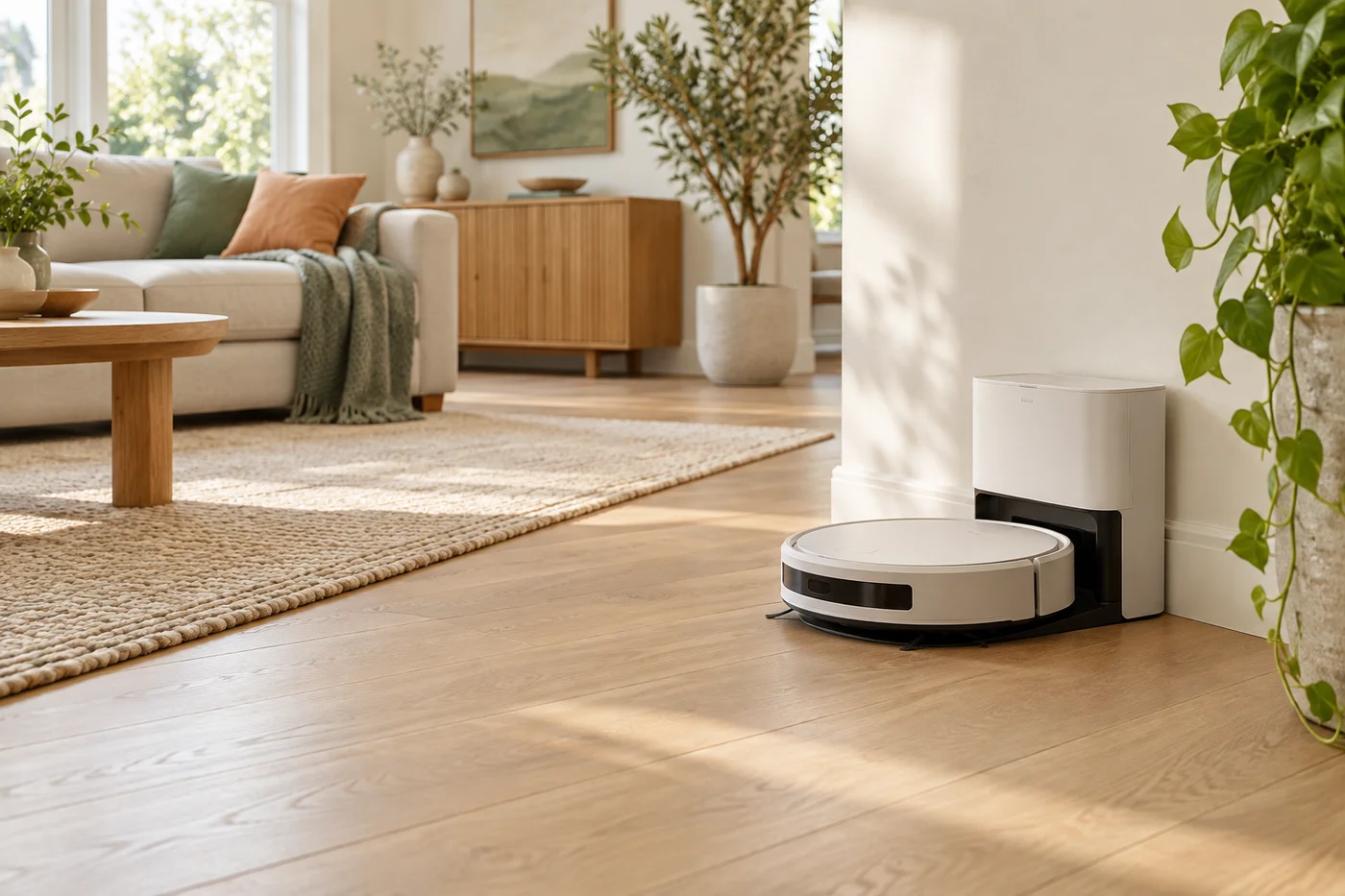
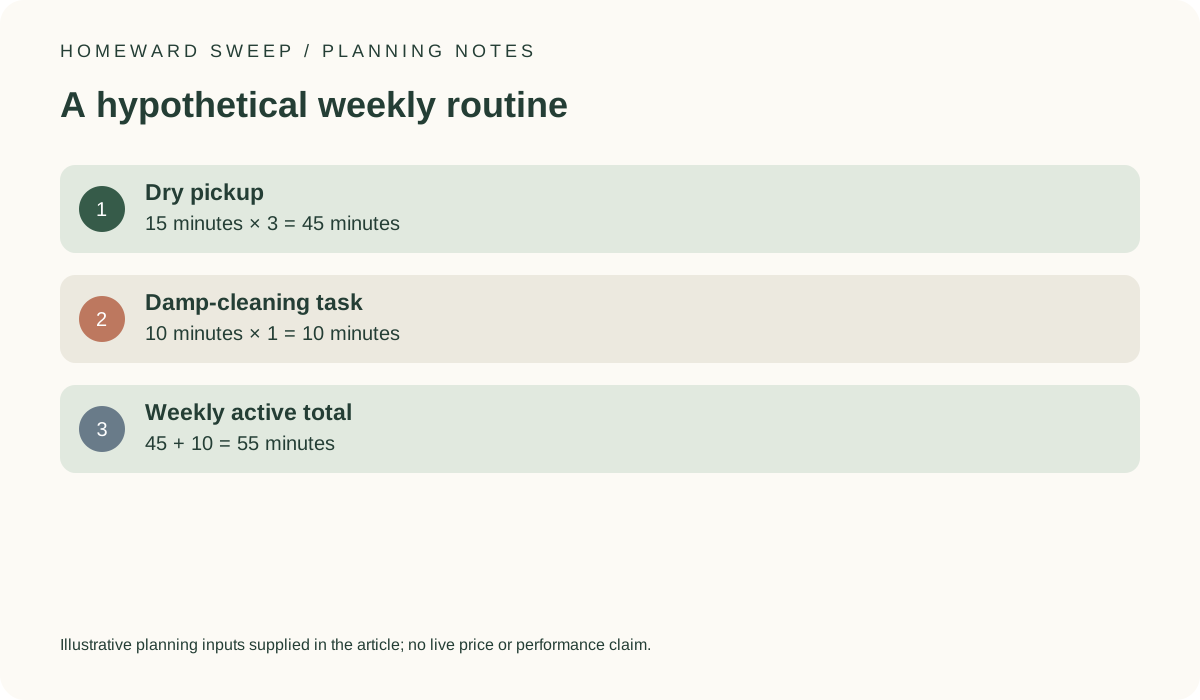
A doorway can connect two surfaces that look similar but need different treatment. Keep the change of head, setting or method beside that transition in the plan. Do not infer permission from the fact that an appliance can physically travel across it. The archival robot photograph shows a compact body near furniture; it does not demonstrate threshold clearance, rug recognition or safe autonomous passage.
If a room includes a rug that cannot receive the planned wet method, record how that area remains outside the wet task. Use the exact equipment instructions for any mapping or exclusion function. A drawn boundary is a planning record, not proof that a robot will reliably recognize the same boundary during every run.
Avoid incompatible convenience shortcuts
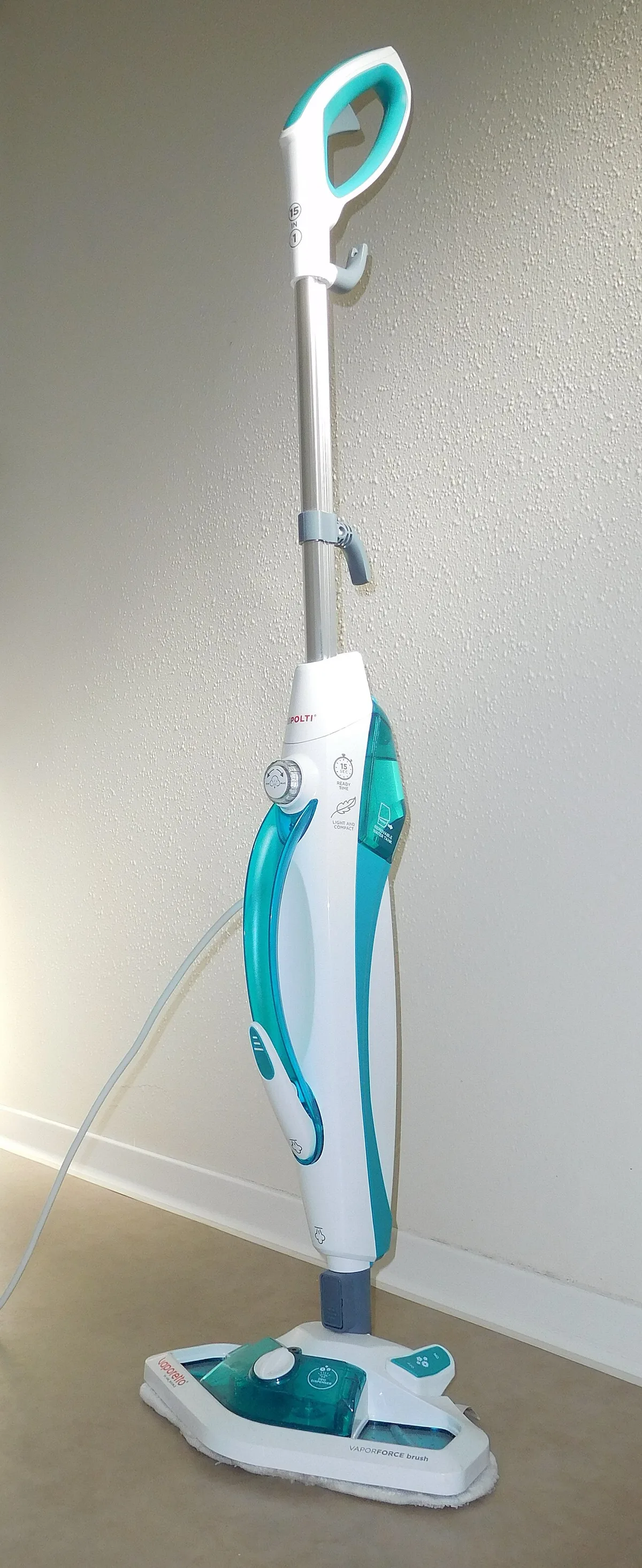
The Shaw Floorte care sheet is a useful example of why surface instructions matter: it distinguishes routine dry soil removal from permitted wet care and prohibits steam on the covered resilient flooring. That instruction applies to the products covered by the document, not to every floor with a similar appearance. Keep the product name and care-sheet date in your records.
The buying implication is that a machine offering more cleaning modes may not add a permitted task in your home. Before paying for an extra mode, name the surface and job it would serve. If no permitted task remains unfilled, the additional capability should not drive the purchase. This is a scope decision, not a performance ranking.
Shaw Floorte homeowner care sheet (2019) ?
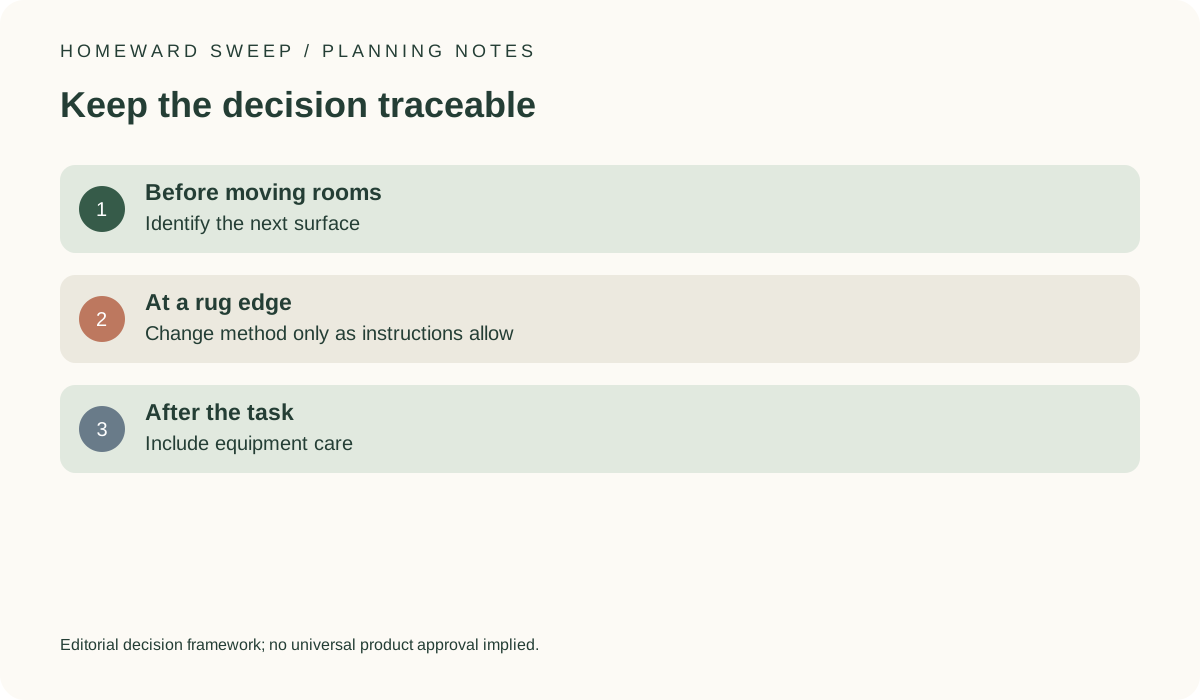
Leave the next session easy to understand
Store the room plan where the person doing the cleaning can read it before starting. Use plain task names rather than unexplained abbreviations. Include which accessory belongs to which surface and the relevant manual section. If another household member takes over, the plan should still explain the intended sequence without relying on memory.
At the end of a trial week, revise the estimated minutes and record any room that was skipped or needed a separate approach. A useful plan can become simpler with experience. The objective is a repeatable permitted routine with visible exceptions, not a claim that every room must receive the same treatment or that one appliance replaces every existing tool.