Match the cleaner to your actual floors
Start with the flooring care sheet, then separate dry pickup, damp cleaning and steam before choosing an appliance.
Updated:
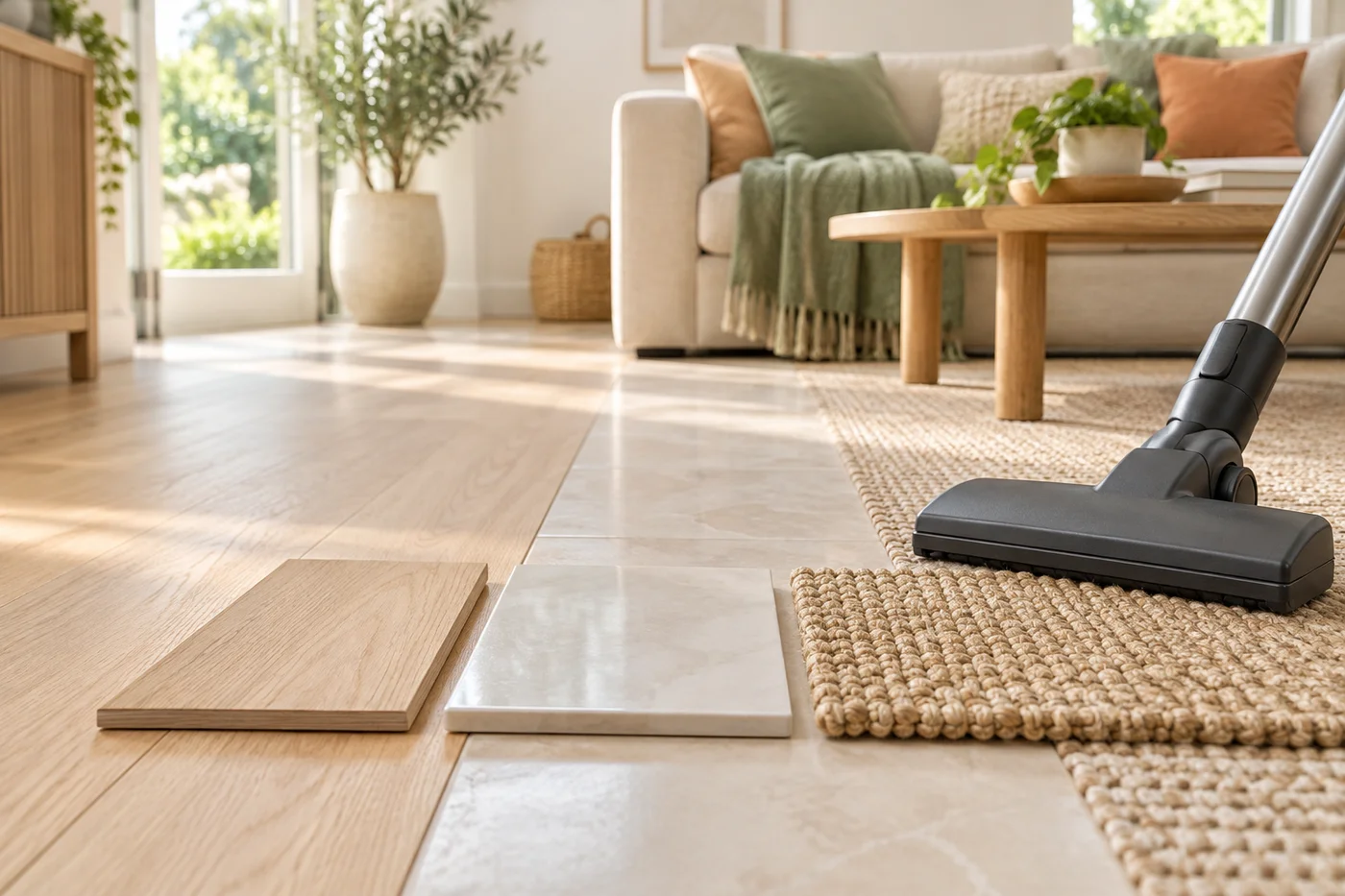
Identify the floor before selecting the machine
A useful cleaner shortlist begins with the surface you own, including its finish and the care instructions for that exact flooring. A wood appearance does not prove that a plank is timber, and a water-resistant product description does not by itself give permission to use steam. Record the manufacturer, collection and any information retained from installation. If the product cannot yet be identified, keep steam suitability unresolved rather than treating the uncertainty as approval.
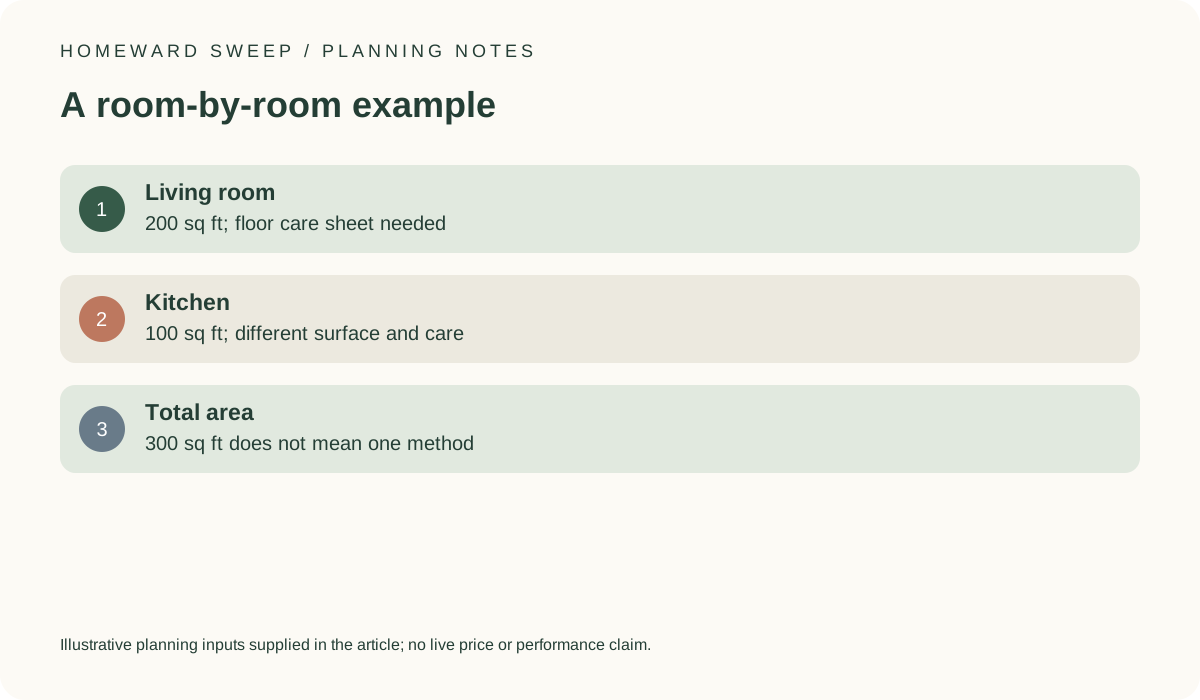
For an ordinary dry-pickup task, the important question is whether the chosen head and setting are permitted on the installed surface. The archival canister photograph makes the body, hose and head connection visible. It does not show a verified cleaning result and should not be read as a recommendation for that model. The head and the floor need their own comparison.
Shaw Floorte homeowner care sheet (2019) ?
Keep area and cleaning permission as separate records
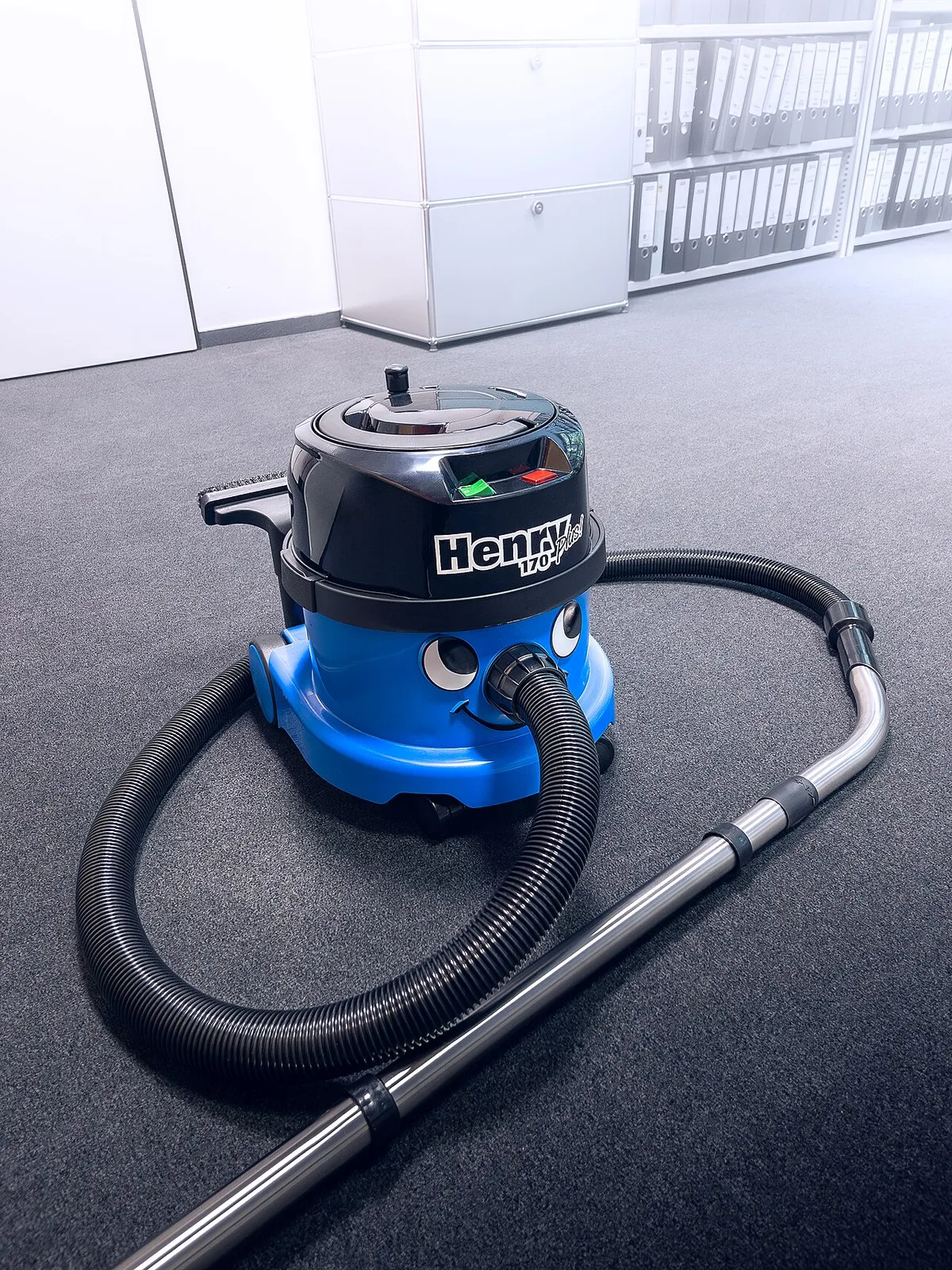
Imagine a household with a 200 square feet living room and a 100 square feet kitchen. Adding those measured areas gives 300 square feet of floor (200 + 100 = 300). That arithmetic answers how much area is present, but it says nothing about whether both rooms can use the same cleaning method. A rug placed on one surface creates another care requirement. Keep a separate row for each material instead of letting the total erase those differences.
Use the area calculator in our planning tools to add simple rectangular sections, excluding areas that the appliance cannot reach. Mark those exclusions as estimates, not as a machine coverage test. An L-shaped room can be split into two non-overlapping rectangles. For purchasing purposes, a small accurate map of your rooms is more useful than an unsupported statement that a particular appliance is suitable for the whole home.
Resolve a steam claim against the flooring instructions
Shark's US steam-mop guidance excludes unsealed wood and unglazed ceramic and directs readers to the floor manufacturer's care instructions. That general appliance guidance is only one side of the decision. Shaw's published Floorte homeowner care sheet, dated 2019, says not to use steam mops on the resilient flooring covered by that document. These statements illustrate why a broad sealed-floor description cannot replace an exact flooring restriction.
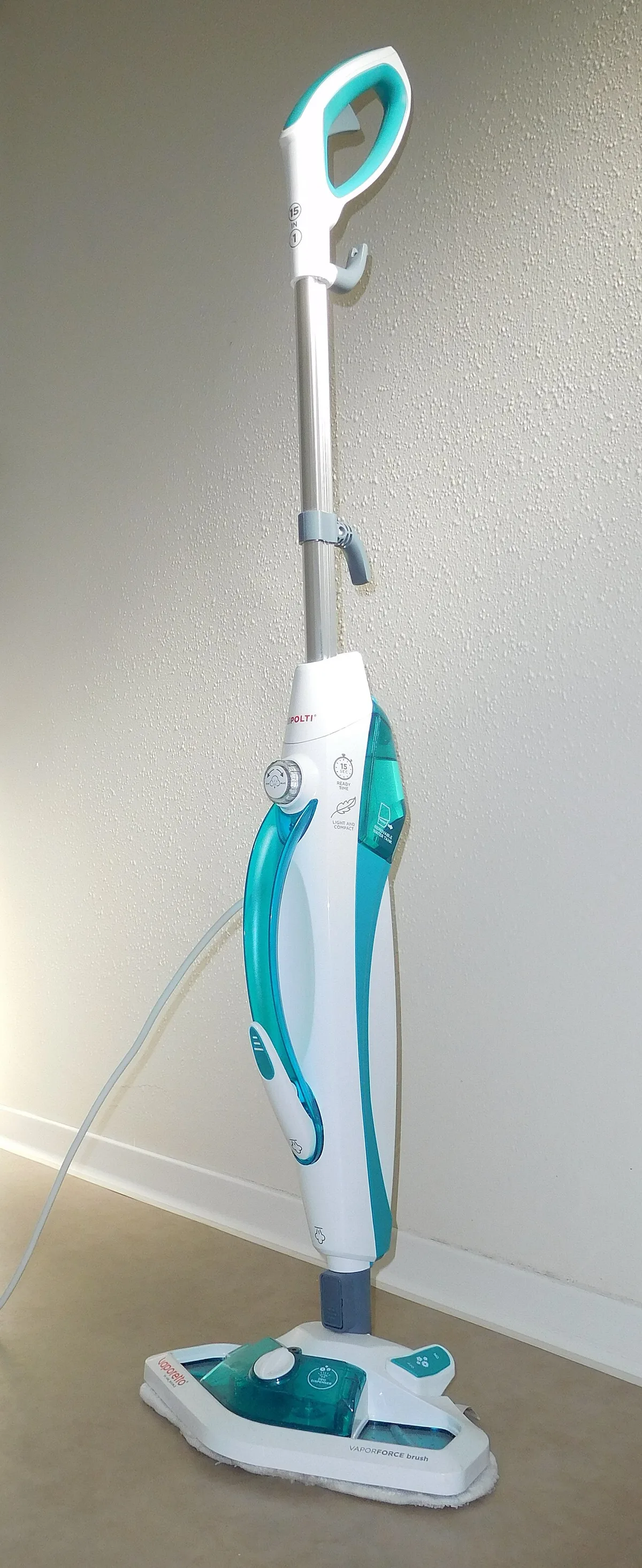
The practical outcome is straightforward: where the installed flooring instructions prohibit steam, remove steam from that room's plan. If a care sheet covers a different collection or an older product generation, preserve that limitation and obtain the applicable sheet. A small hidden-area test is not a way to overrule an explicit prohibition. The steam-appliance photograph shows equipment form, not permission to use it on the floor visible in any illustration.
Shaw Floorte homeowner care sheet (2019) ? Shark US steam-mop guidance ?
Write a task list that distinguishes the kinds of mess
Describe what you actually need to remove: loose crumbs, dry dust, marks requiring a permitted damp method, or a spill requiring the floor maker's response. Avoid collapsing every task into a single claim such as deep cleaning. A dry vacuum and a steam mop perform different jobs even when both have a handle and a floor head. Before comparing extra features, decide which tasks the existing equipment already handles adequately.
For the hypothetical 300-square-foot home, the first purchase might address only the dry-pickup job. That does not mean a second machine is always necessary. It means the purchase should solve a named gap. A written task list also prevents an attractive bundle from becoming the reason to use a method that the floor instructions do not allow.
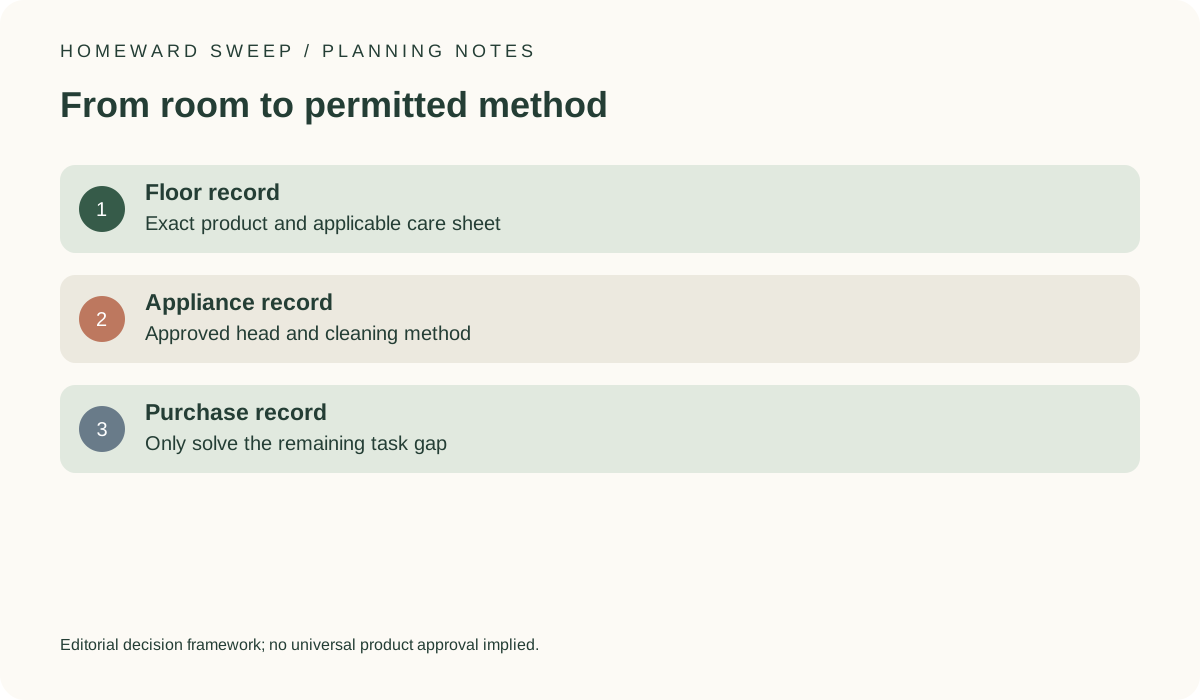
Turn the records into a purchasing decision
Keep three items beside each shortlisted cleaner: the flooring permission, the appliance's permitted head or method, and the task it is intended to solve. A candidate remains unresolved if one item is missing. Compare storage, consumables and total quoted cost only after this basic match is established. Neither a photograph nor a favorable review can supply the missing surface permission.
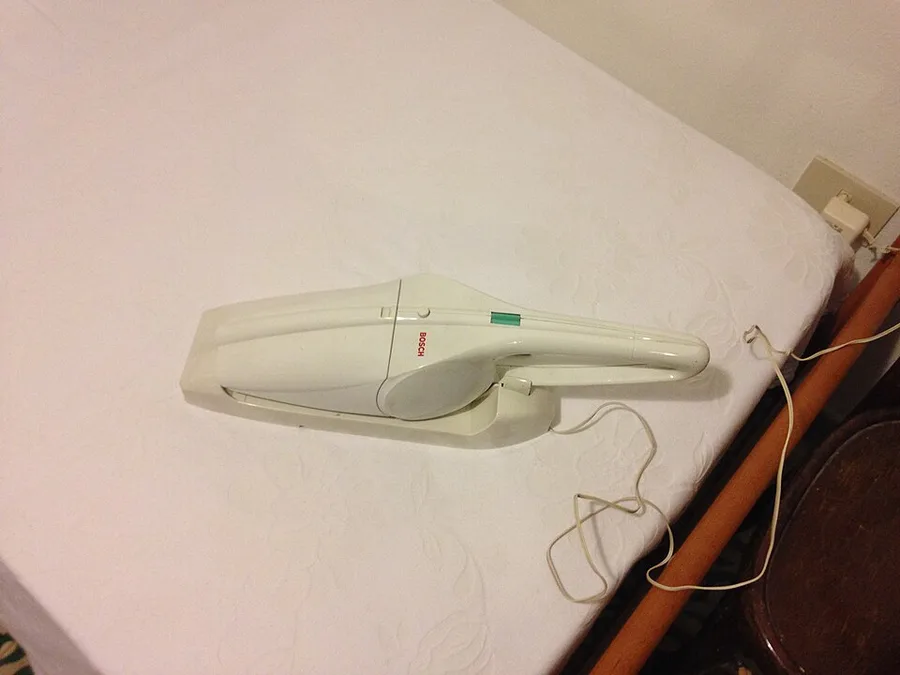
Our compact cordless photograph helps distinguish a small dry-pickup unit from the upright steam appliance shown earlier. It does not establish suction, runtime or current availability. Use the exact regional manual for operational steps, and retain the flooring care sheet with your purchase record. The result should be a clear room-and-task plan, not a promise that one machine will clean every surface in the same way.
For a purely illustrative purchase comparison, a $180 cleaner plus a separately required $20 approved head totals $200 before any tax or delivery. These are invented budget inputs, not observed prices. Including the head prevents an apparently lower initial quote from hiding the accessory that makes the chosen dry-pickup setup suitable. Surface permission remains the first condition, regardless of that total.