Separate wet pickup from steam cleaning
Identify what the machine actually does before comparing tanks, pads and promises about convenience.
Updated:
Read the operating method instead of the silhouette
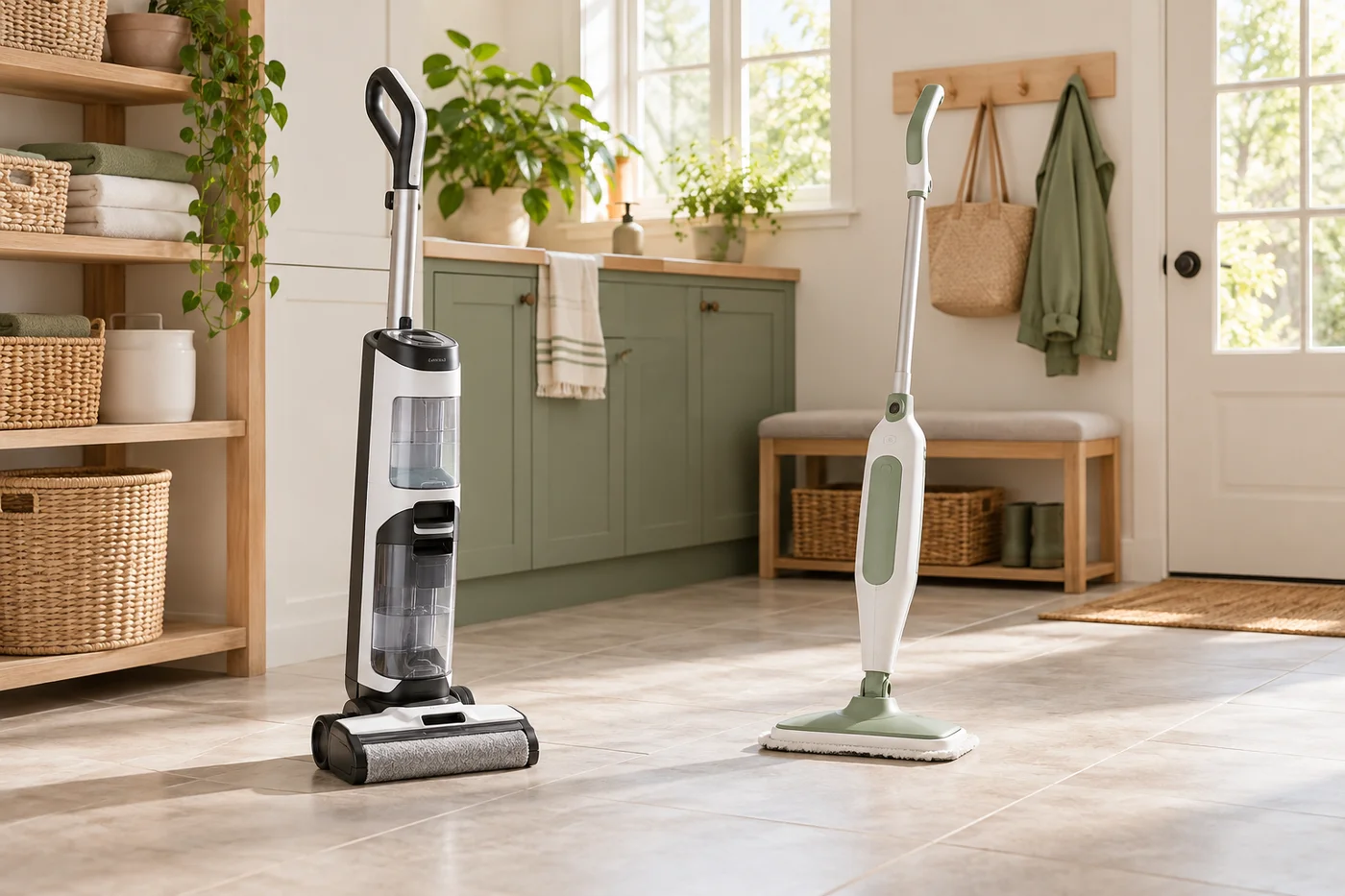
Two machines can both have a handle and a floor head while doing different jobs. Identify whether the exact model performs dry pickup, a documented wet-cleaning task, steam cleaning or a specifically described combination. Do not treat a mop-shaped body, water tank or all-in-one phrase as permission to collect any mess. The operating manual, permitted surfaces and prohibited materials establish the scope.
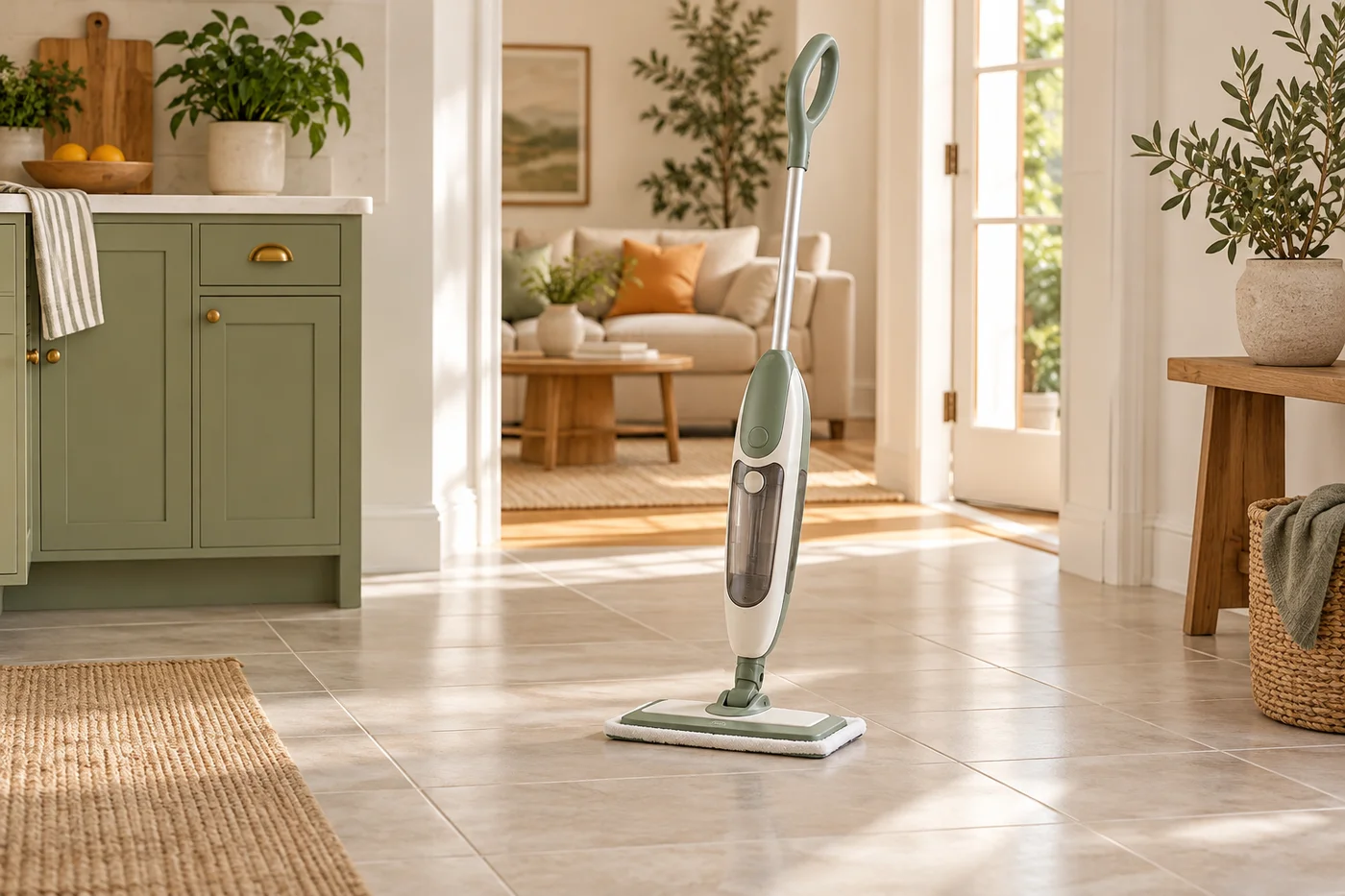
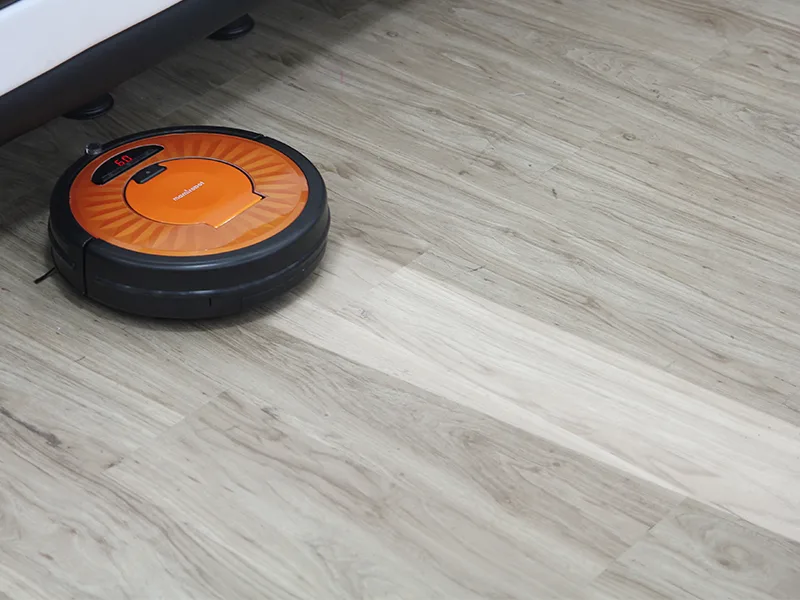
This matters before purchase because a machine can be capable of a method that your floor does not permit. Keep the method question separate from convenience features such as a display or a service station. The upright steam photograph makes one equipment form visible but cannot prove that another machine with a similar handle works the same way.
Assign time to the actual tasks
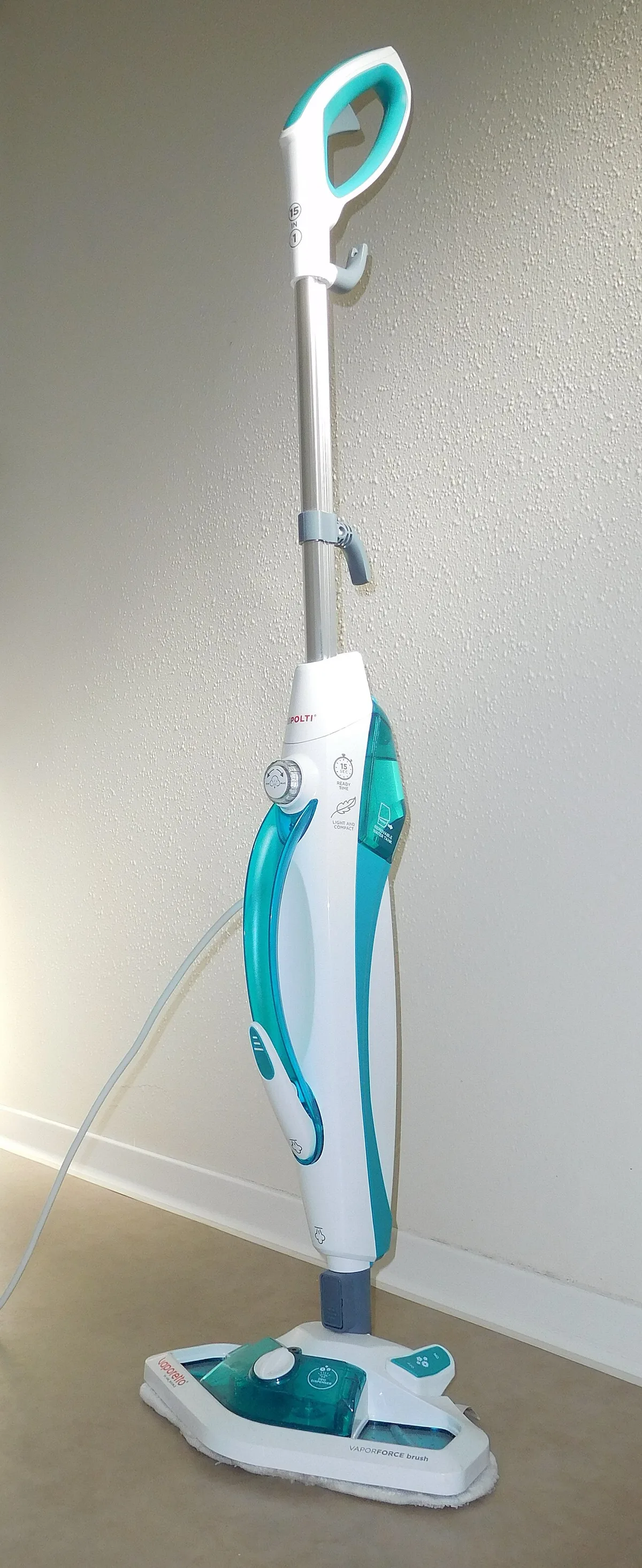
For a hypothetical routine, dry pickup takes 12 minutes twice a week, giving 24 minutes. A separate permitted wet task takes 8 minutes once a week. The active-task total is 32 minutes before equipment upkeep. These numbers are illustrative inputs, not tested speeds or a comparison of two products. They help show why counting only one stage can understate the work you are planning.
Add setup and care where those tasks actually occur. A machine described as combining functions does not automatically remove every preparation step. The exact instructions may still distinguish permitted debris, surfaces and care. Use the weekly effort calculator to add your own entries without converting the result into a claim about cleaning effectiveness.
Keep liquid permission model-specific
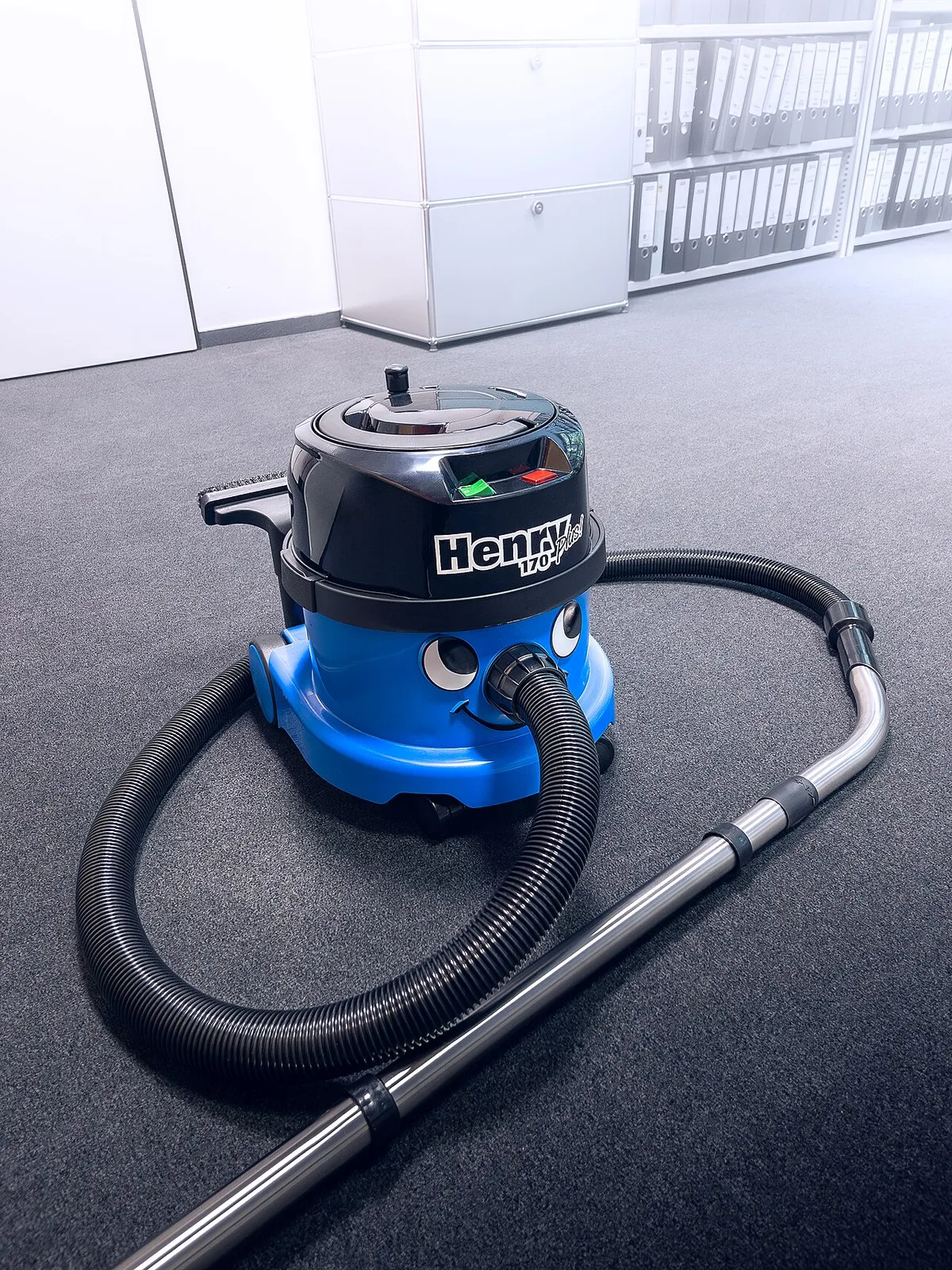
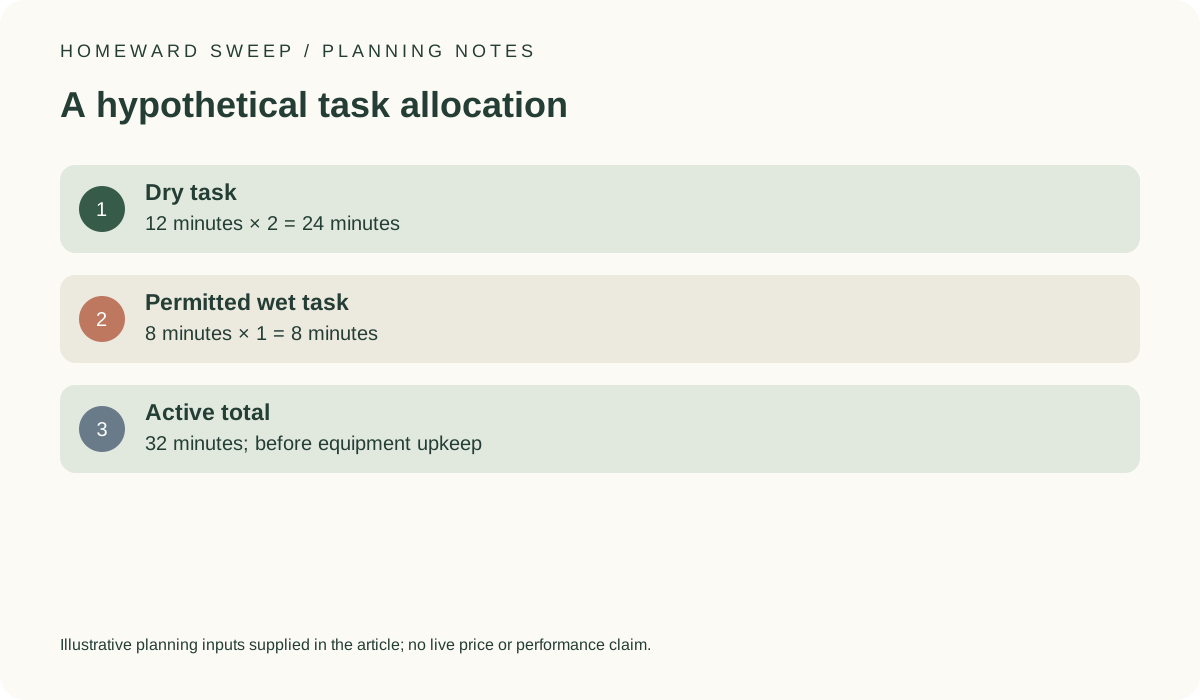
Never infer that a dry vacuum can collect liquid because its container looks washable or because another appliance carries a wet-and-dry label. Read the exact model's permitted use and exclusions. The archived robot and canister photographs illustrate different bodies, not authorization to pick up spills. If liquid handling is the task driving the purchase, it must be explicitly resolved before the machine enters your shortlist.
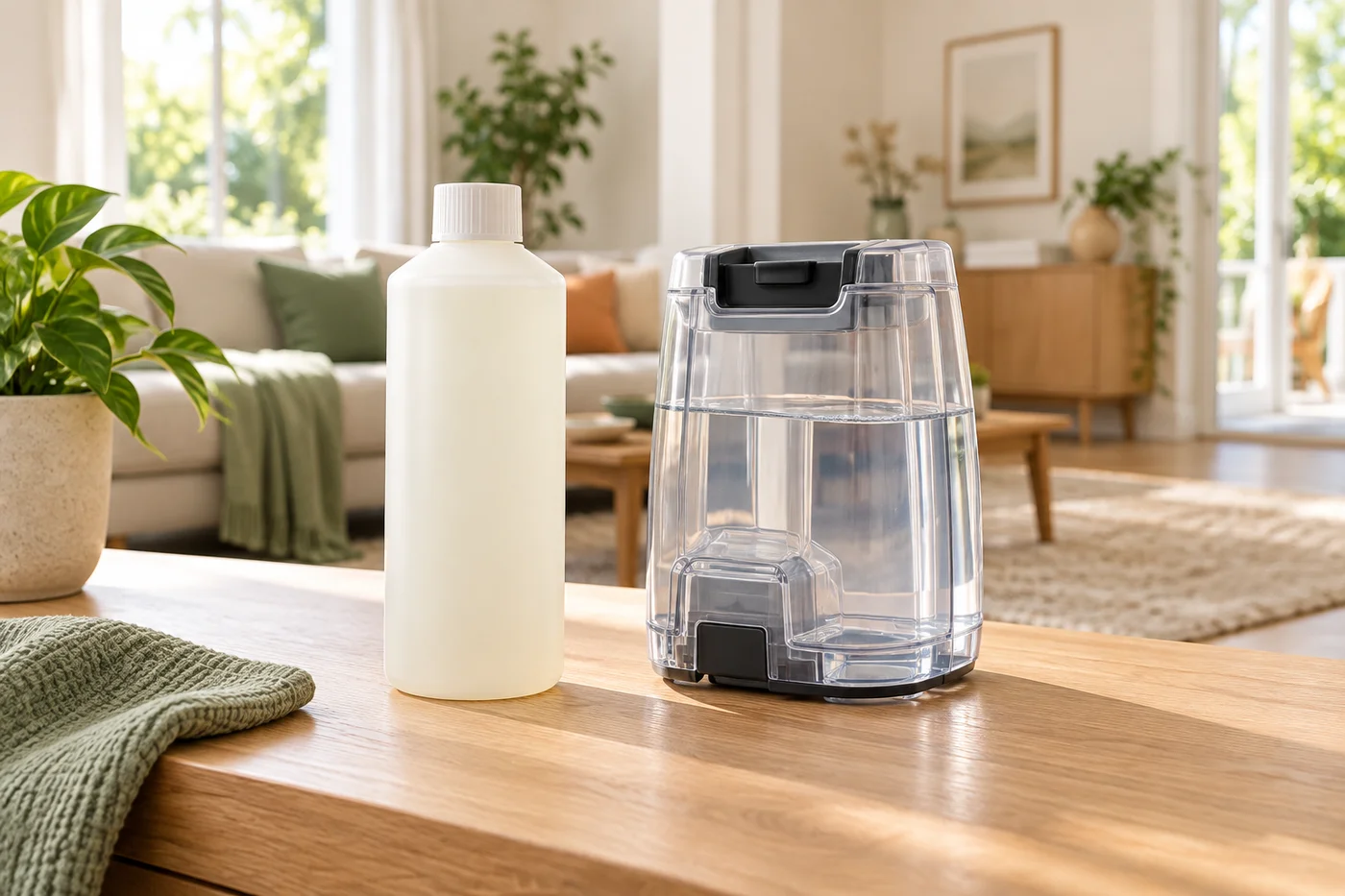
Likewise, a wet-cleaning system is not necessarily a steam system. Distinguish the cleaning method from the appearance of a damp pad or a tank. Record the wording used by the manufacturer and the instructions it links to. If the listing is unclear, keep that feature unresolved instead of filling the gap with a generic category definition.
Apply the surface instructions to the chosen method
Shark's US steam guidance points readers toward flooring care instructions, while the cited Shaw Floorte sheet gives a specific steam prohibition for its covered resilient floors. Those sources demonstrate why method suitability needs two documents: the appliance instructions and the actual surface instructions. Neither an attractive demonstration nor a broad hard-floor label replaces the second document.
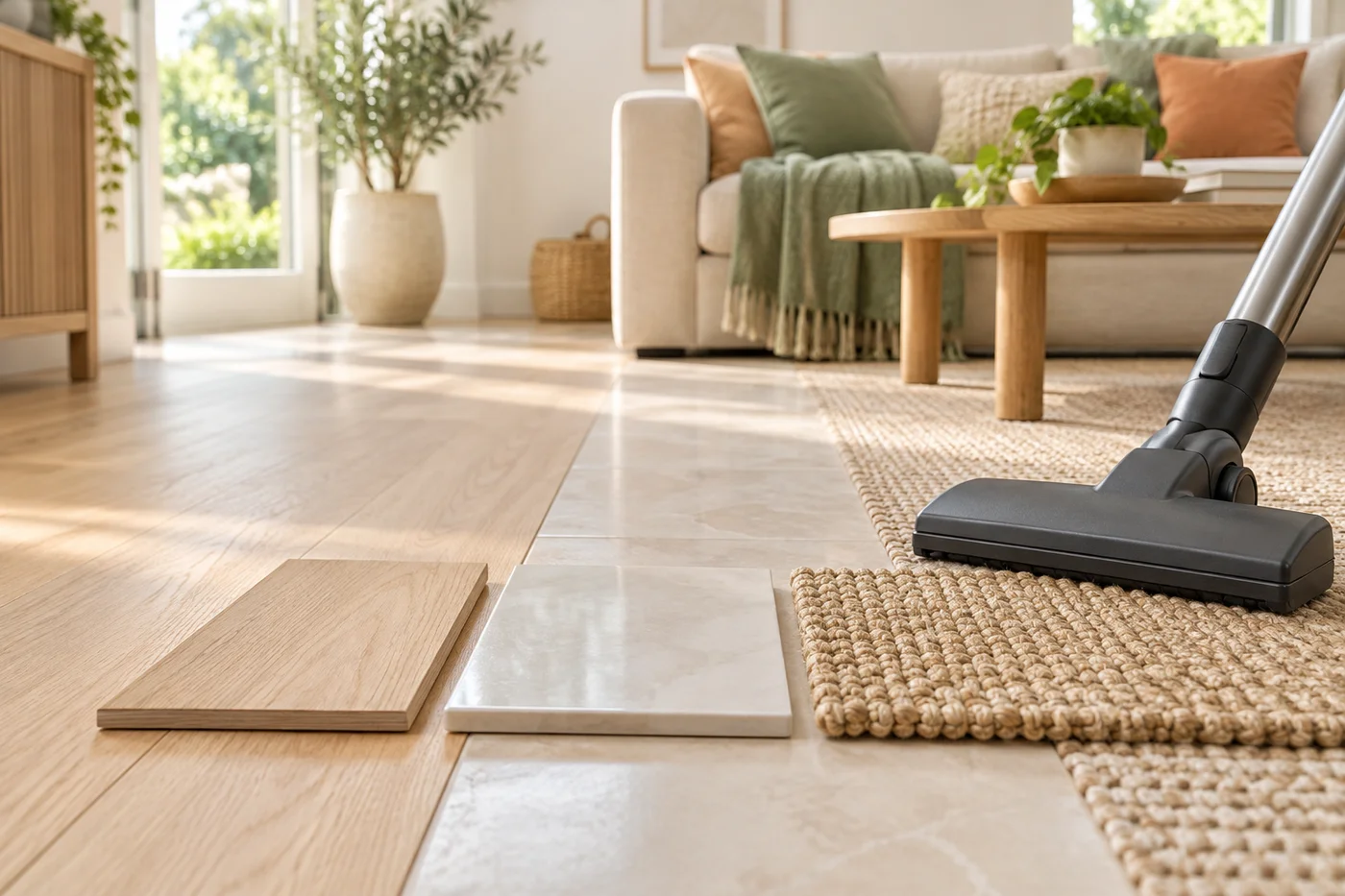
Keep rugs, hard flooring and any delicate finish on separate lines in the room plan. An appliance may address one permitted task in one room without becoming appropriate for every other area. The decision should name the surface and task it serves. Avoid promising whole-home compatibility or using the example care sheet for a different flooring collection.
Shaw Floorte homeowner care sheet (2019) ? Shark US steam-mop guidance ?
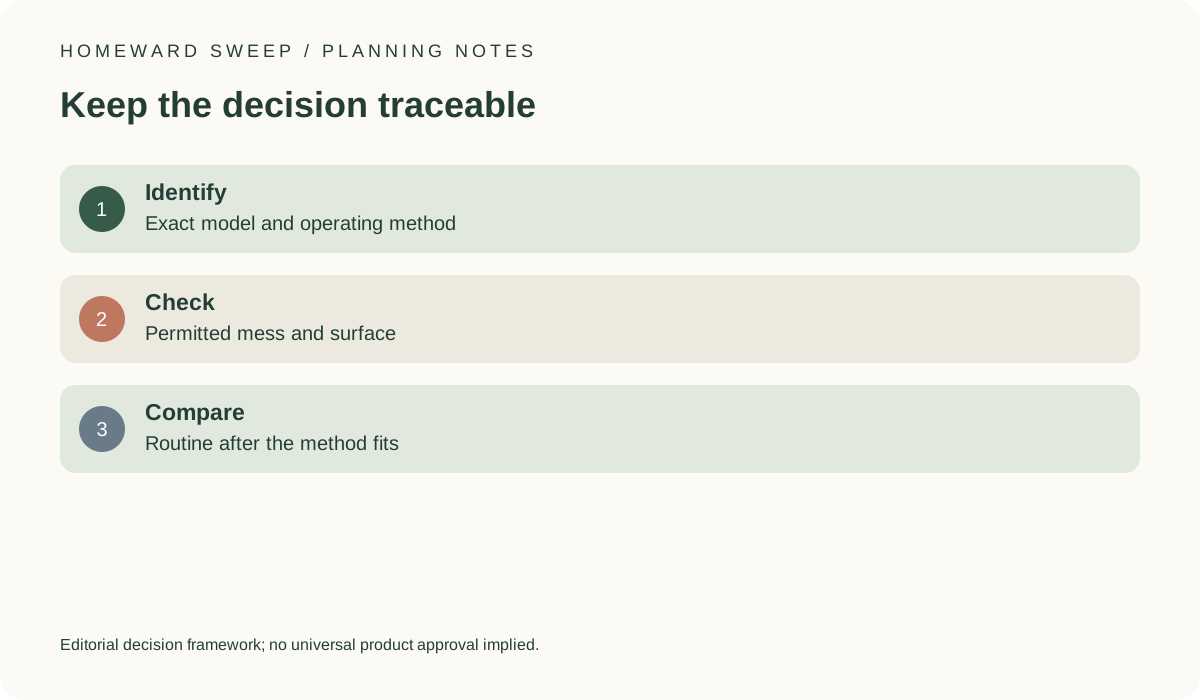
Compare ownership only after the method fits
Once the permitted method is clear, list tanks, pads, approved supplies and ordinary care for each candidate. A hypothetical $250 machine with a $30 annual supply allowance over 3 years produces a $340 subtotal before other costs. These are invented budget inputs, not observed prices or replacement intervals. They make the recurring part of the plan visible.
The useful final comparison states what the machine is documented to do, which household task that serves and what the owner must still handle. Keep unresolved compatibility separate from cost. A low total cannot make a prohibited method appropriate, while a complex feature set does not prove that the machine solves the specific cleaning gap you identified.