Plan filter care around the drying interval
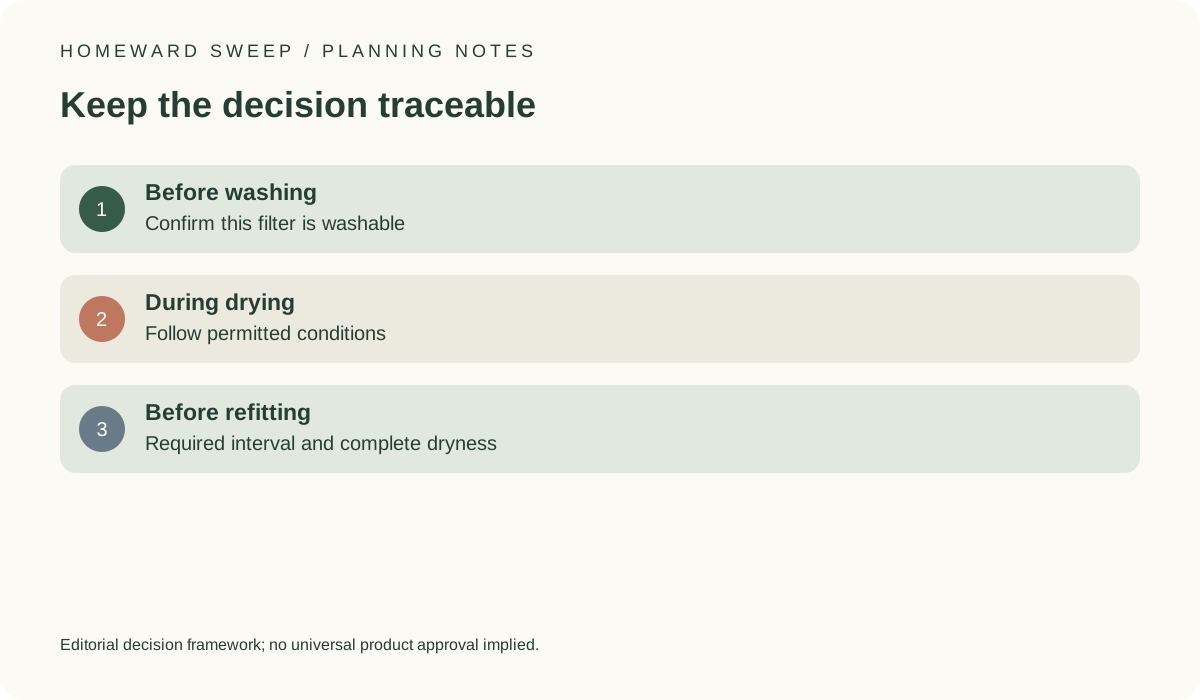
Read the exact filter instructions and include drying downtime before assuming that a washable filter is ready for the next session.
Updated:
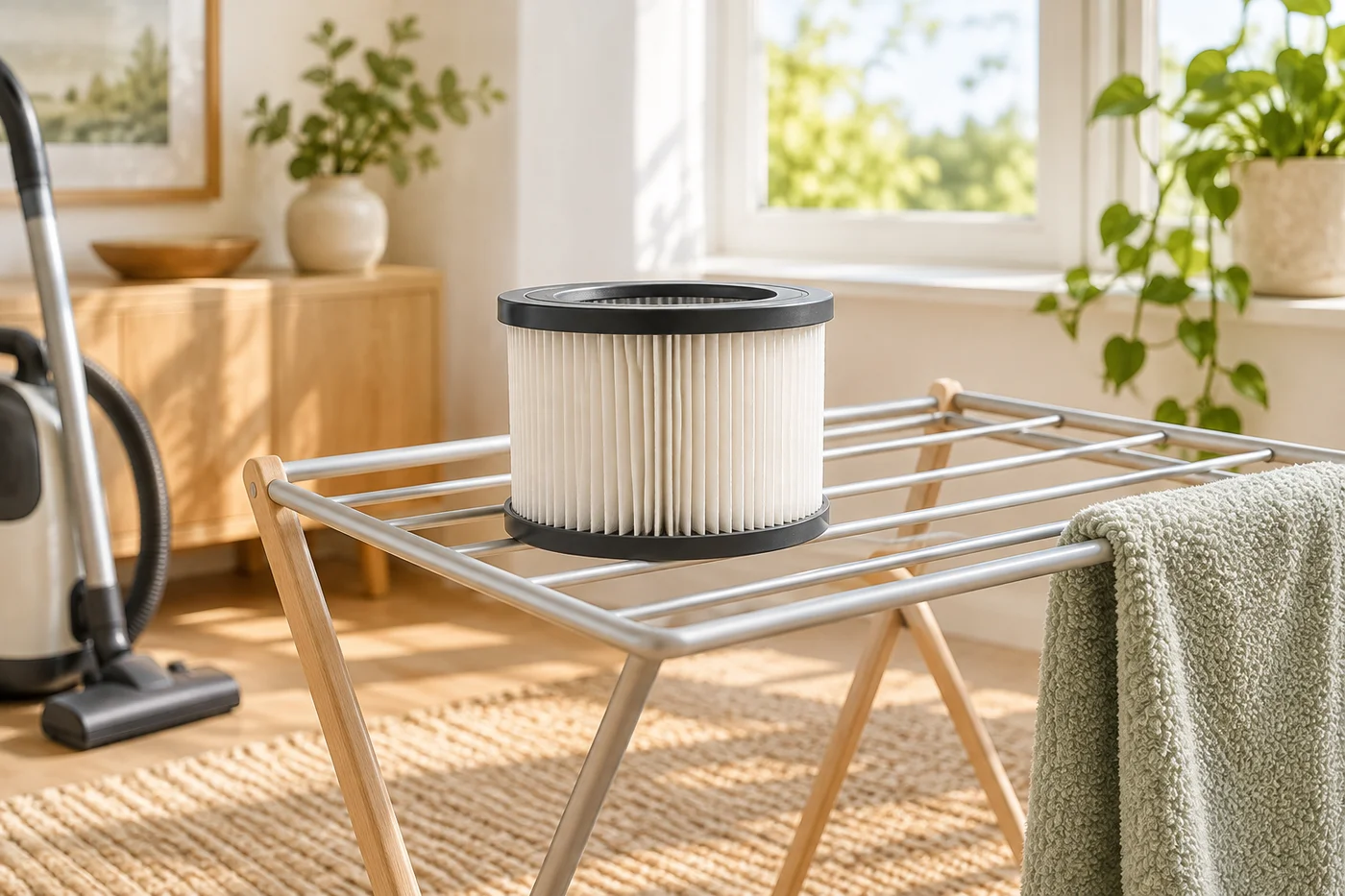
Identify the exact filter before planning its care
A filter described as washable still needs instructions for the exact component and machine. Record the model, filter identifier and applicable care document before adding a washing task to the routine. Do not assume that every filter in the appliance can be washed or that a similar-looking replacement shares the same care requirements. The key purchase question is whether the documented routine fits the way you need to use the cleaner.
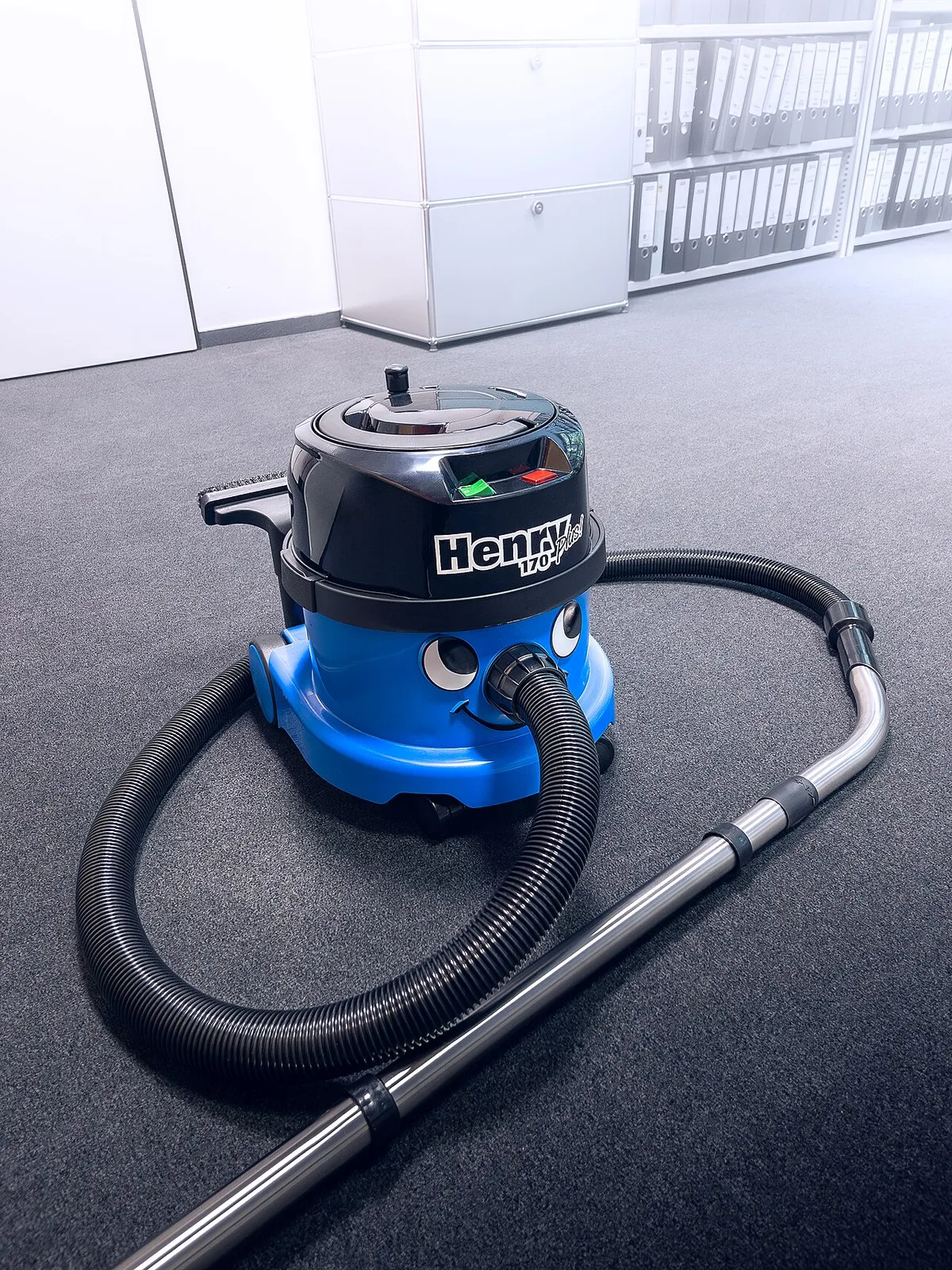
A photograph of an assembled vacuum usually cannot identify the full filter arrangement. The canister image illustrates the body but does not show which component is washable. Keep the care document available rather than guessing from a removable-looking cover or a general statement about the product family.
Schedule drying as real downtime
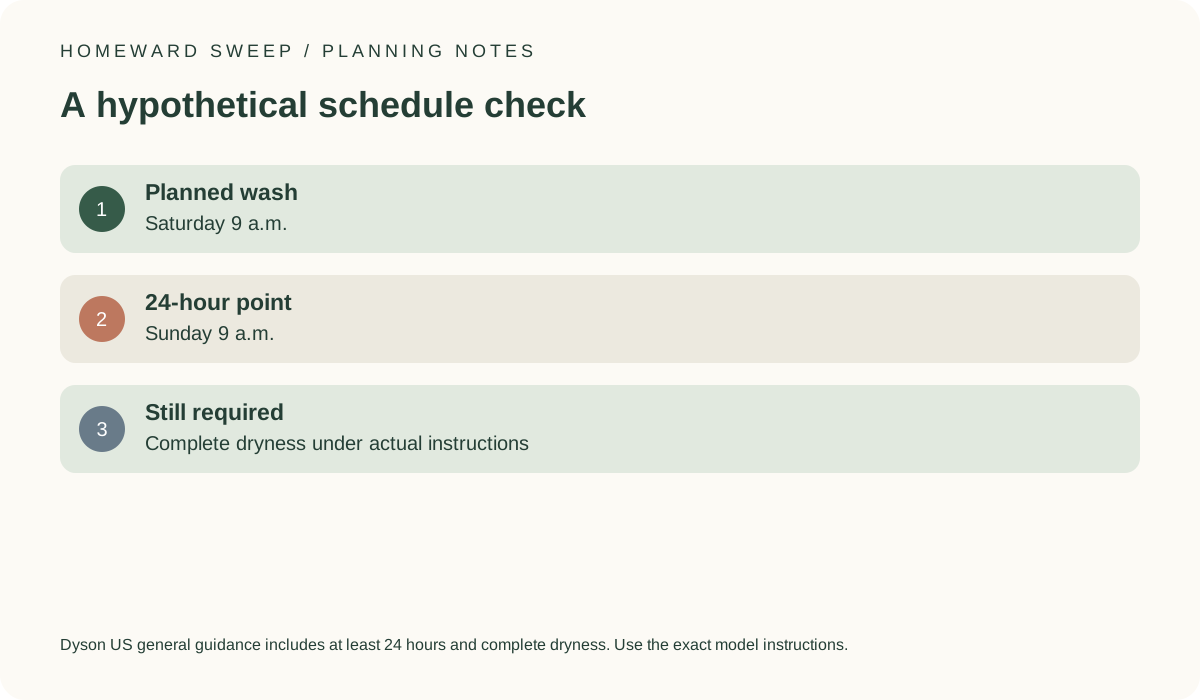
Dyson's US cordless filter-care page says to allow at least 24 hours of drying and requires complete dryness before refitting. Apply the exact model's instructions, because this general page is not permission to wash every filter or use the same process on another brand. The useful planning point is that washing can make a component unavailable for a meaningful interval.
For a calendar example, a wash planned for Saturday at 9 a.m. reaches its 24-hour point on Sunday at 9 a.m. That arithmetic does not prove that the filter is dry. If the required condition has not been reached, elapsed time is not a reason to refit it. Build the routine around the documented requirement rather than a desired cleaning appointment.
Dyson US cordless filter care ?
Keep cleaning products and drying shortcuts out of assumptions
Use the exact instructions for permitted washing materials and drying conditions. This article does not provide a universal procedure, and it does not recommend a heater, appliance or chemical to accelerate the process. A general household shortcut can conflict with a component's requirements. If the care information is missing, treat the procedure as unresolved instead of improvising from another machine's demonstration.
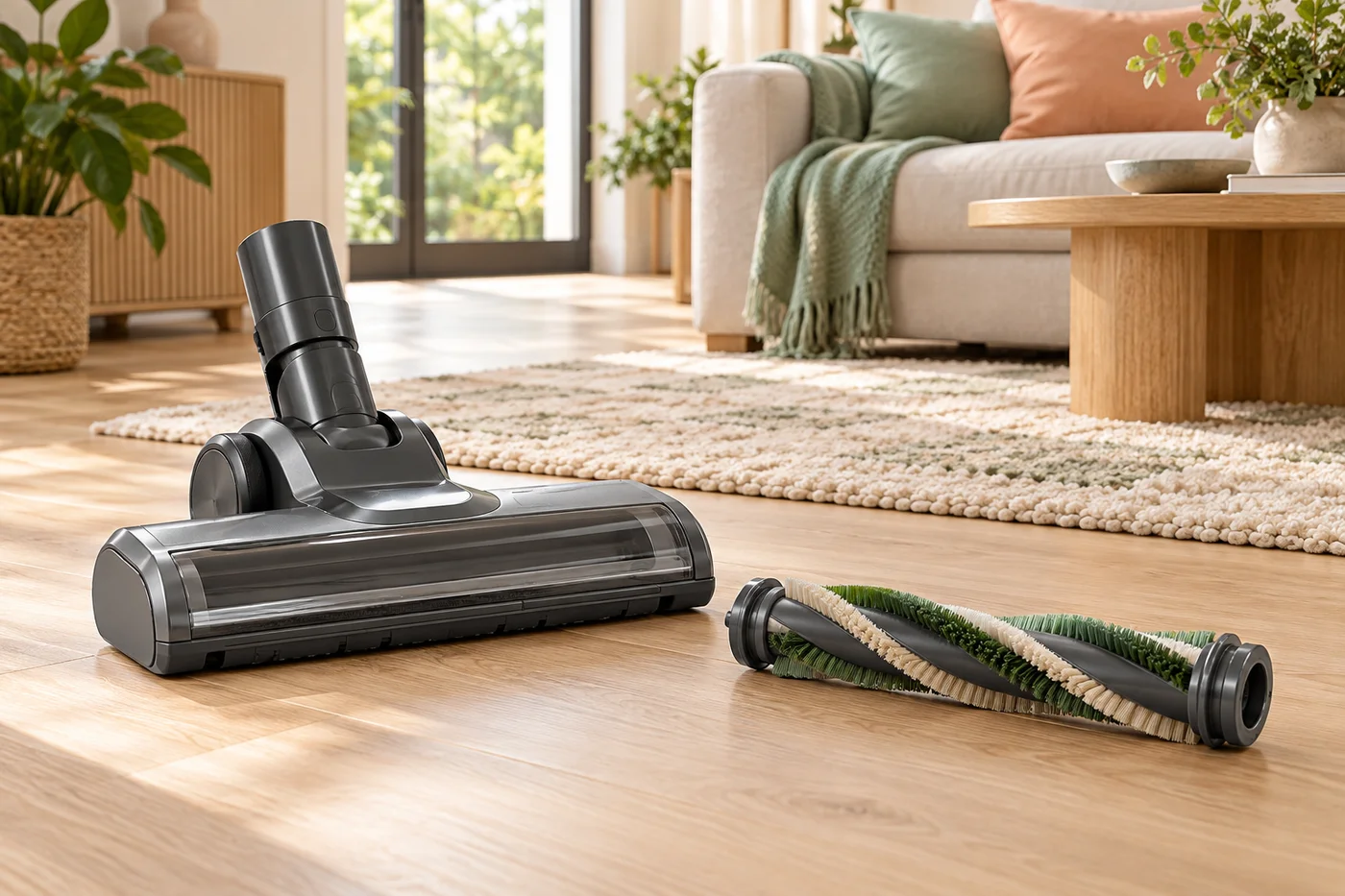
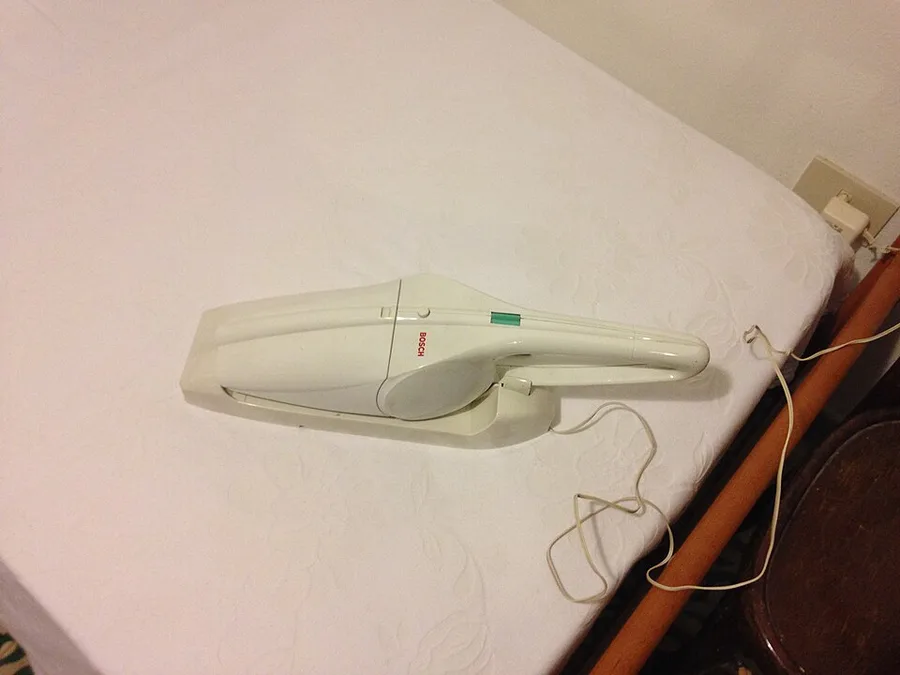
The compact cordless photograph is intentionally a different archival product, not evidence of the filter described by Dyson. It helps make the model distinction visible. A care comparison should identify what belongs to the named machine and what is only illustrative. Do not let a convenient photo silently become an instruction for the device in your home.
Assess a spare filter as a compatibility purchase
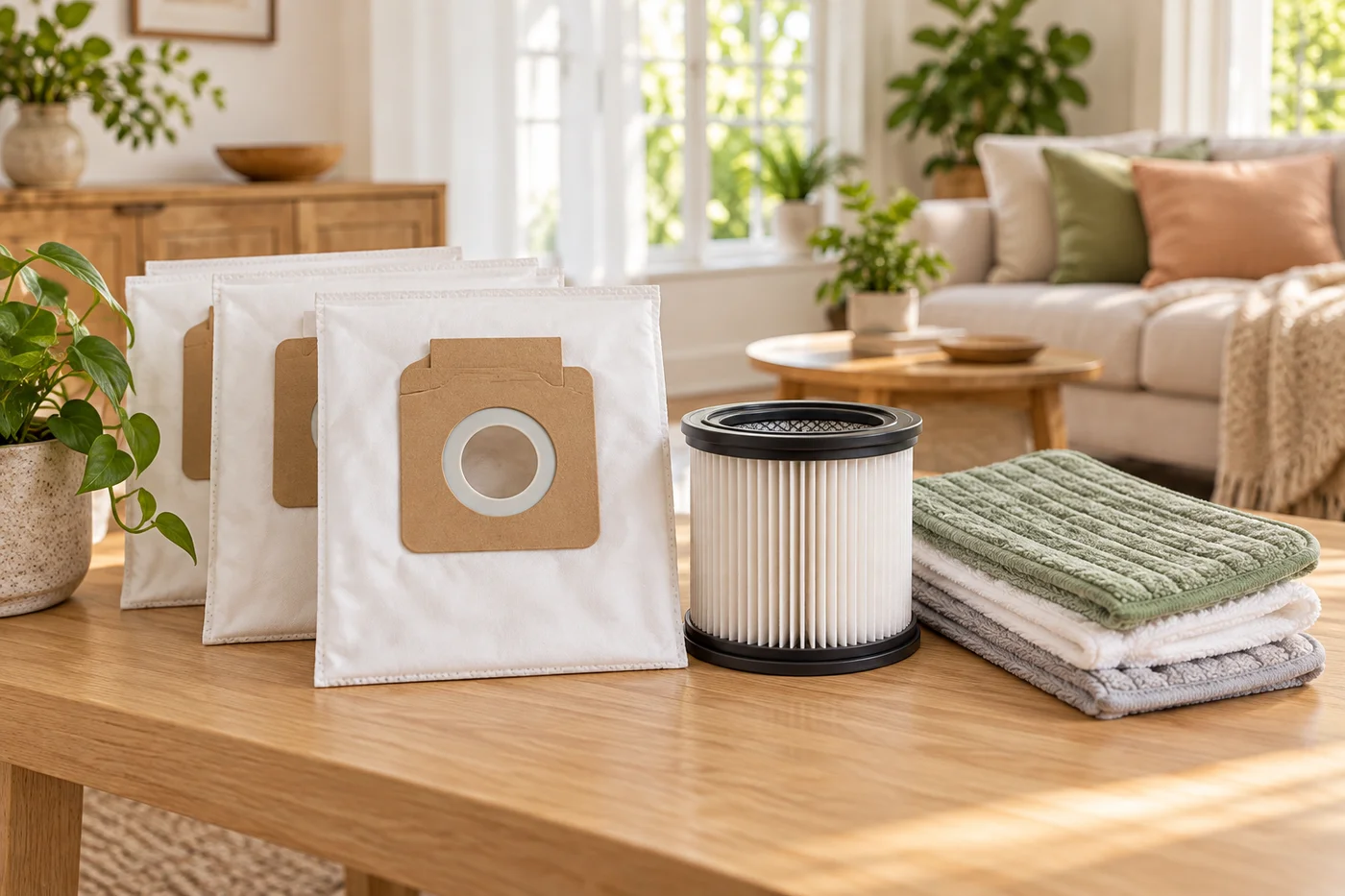
If downtime would disrupt the routine, a correctly specified spare may be a purchasing question. Confirm the manufacturer's compatibility information and the actual replacement identifier before including it in the plan. Do not treat similar dimensions or a generic fit claim as enough. The spare also needs appropriate storage and care, so record those requirements rather than assuming it solves every scheduling issue.
For a hypothetical budget, a $30 compatible spare added to a $250 cleaner produces a $280 equipment subtotal before other charges. These are invented inputs, not observed prices or a recommendation to buy a spare. The example makes the added cost visible only after the compatibility and care questions have been resolved.
Keep the care record separate from performance claims
A completed washing record does not prove restored suction, filtration efficiency or a solved fault. If the machine shows a problem outside the ordinary care information, follow the manufacturer's support process for that exact model. Avoid converting this buying guide into a repair procedure or claiming that filter washing fixes every loss of performance.
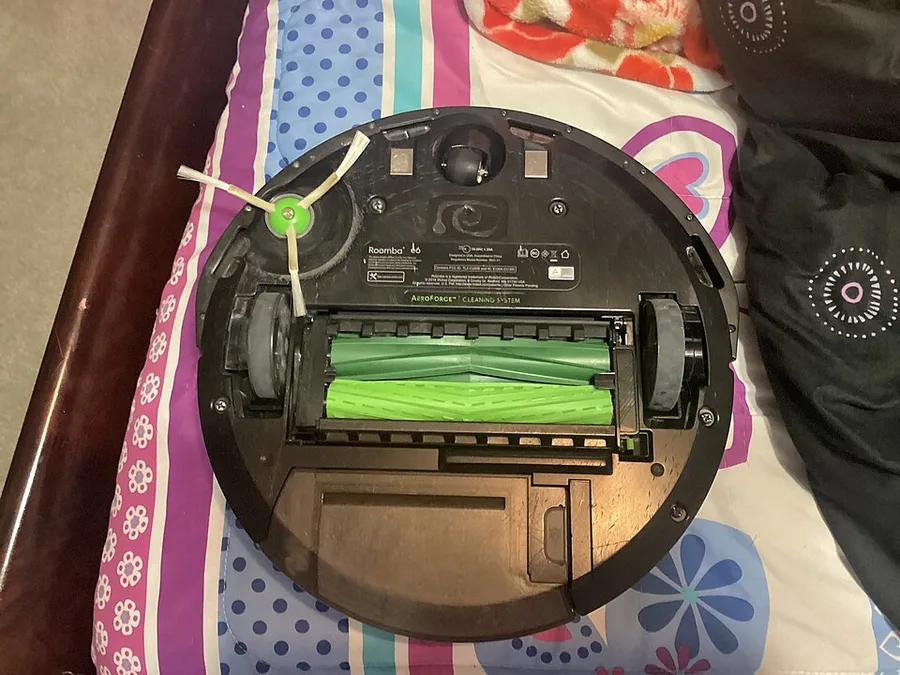
Retain the filter identifier, care source and the routine you actually follow. Update the record when the component or machine changes. The robot-underside image illustrates why different care tasks should not be collapsed into one generic maintenance step. A useful plan states the required interval and readiness condition clearly, without pretending that our calendar example tested drying or machine performance.