Compare bin capacity and the emptying routine
Read stated volume beside the actual handling process, replacement supplies and storage arrangement.
Updated:
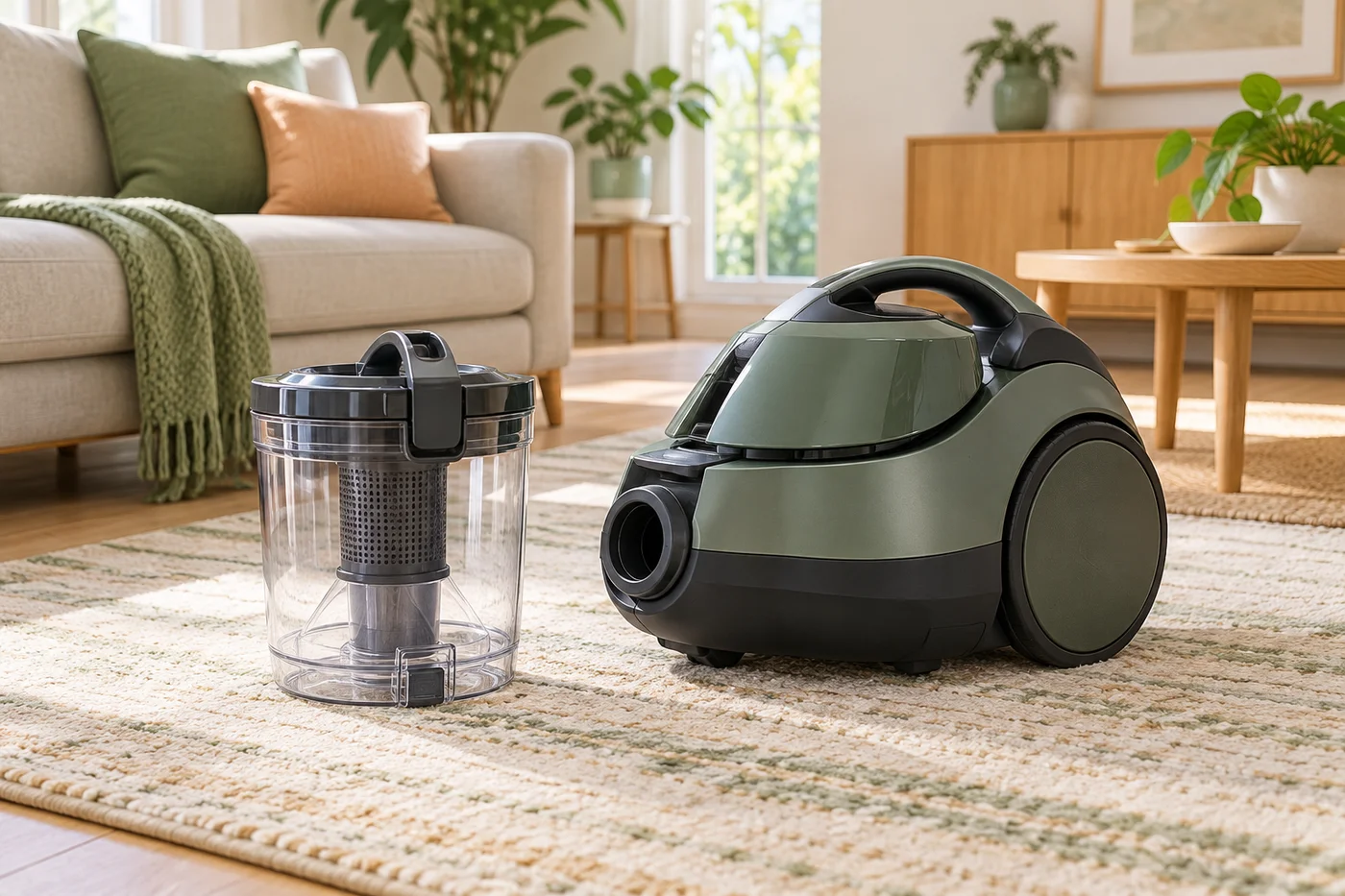
Keep volume separate from emptying frequency
A published bin volume describes a container under the manufacturer's specification. It does not establish how often your household will empty it. The kind of debris, cleaning area, frequency and the machine's fill instructions all affect the routine. Preserve the exact model and unit rather than comparing unlabeled capacity numbers from different listings. The useful question is what the owner must do when the permitted fill point is reached.
Read the actual opening and waste-handling process in the manual. A larger stated container may still be awkward in the place where you intend to empty it. A smaller container might suit a short recurring task. Neither conclusion follows from volume alone, and an archival photograph cannot establish which routine will be convenient for you.
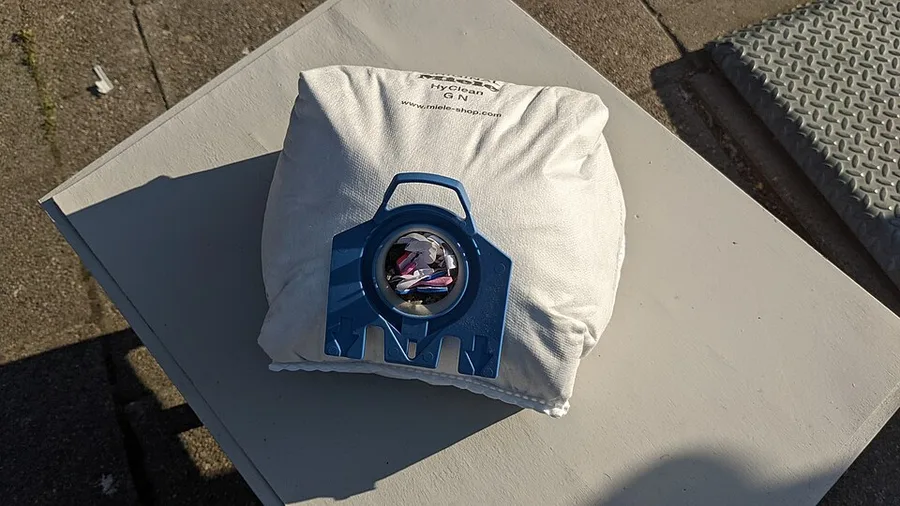
Calculate supplies from a declared usage scenario
Suppose a compatible bag pack costs a hypothetical $24 and contains 6 bags. The unit cost is $4 per bag. If your planning scenario assumes 12 bags over a year, the allowance is $48. These are invented prices and usage assumptions, not a retail quote or a prediction of replacement frequency. The example is useful because each input can be replaced independently.
Do not turn a manufacturer's maximum duration claim into a guaranteed replacement interval for your household. Keep any stated conditions and measure your own use where possible. A station, canister and filter may each have different supplies, so avoid placing every recurring cost under a single unexplained maintenance amount. Our cost planner accepts your combined annual allowance after you have identified its components.
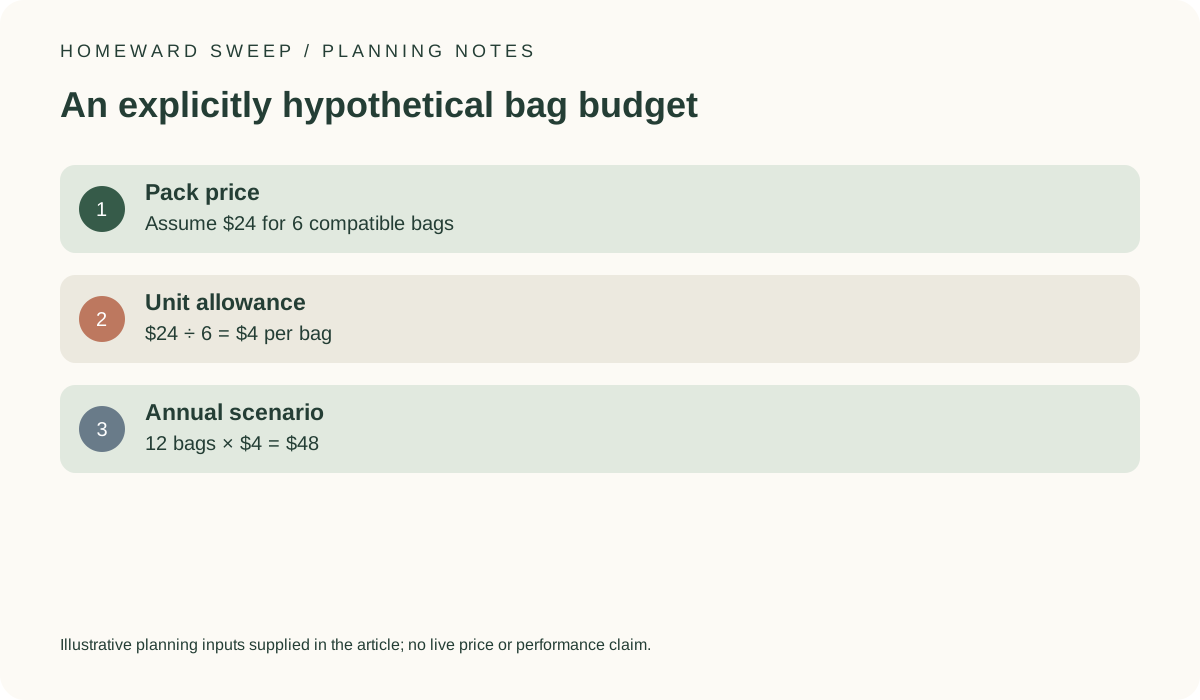
Identify what the capacity figure actually refers to
For example, the cited US Dyson V15 listing gives a bin volume of 0.2 gallon. That is a statement about that product's bin, not a bag capacity or a robot station specification. Preserve that distinction when building a comparison. A station's waste storage and a robot's onboard container are different objects and should not silently share a single capacity entry.
The canister photo illustrates a housing with a hose connection. It cannot show the permitted fill line, internal bag arrangement or volume from the outside. Keep the manual and accessory designation with the candidate model. If the seller's description does not clarify which container is being measured, leave the comparison unresolved rather than assigning the figure to the most convenient interpretation.
Dyson US V15 Detect Absolute and car kit specifications ?
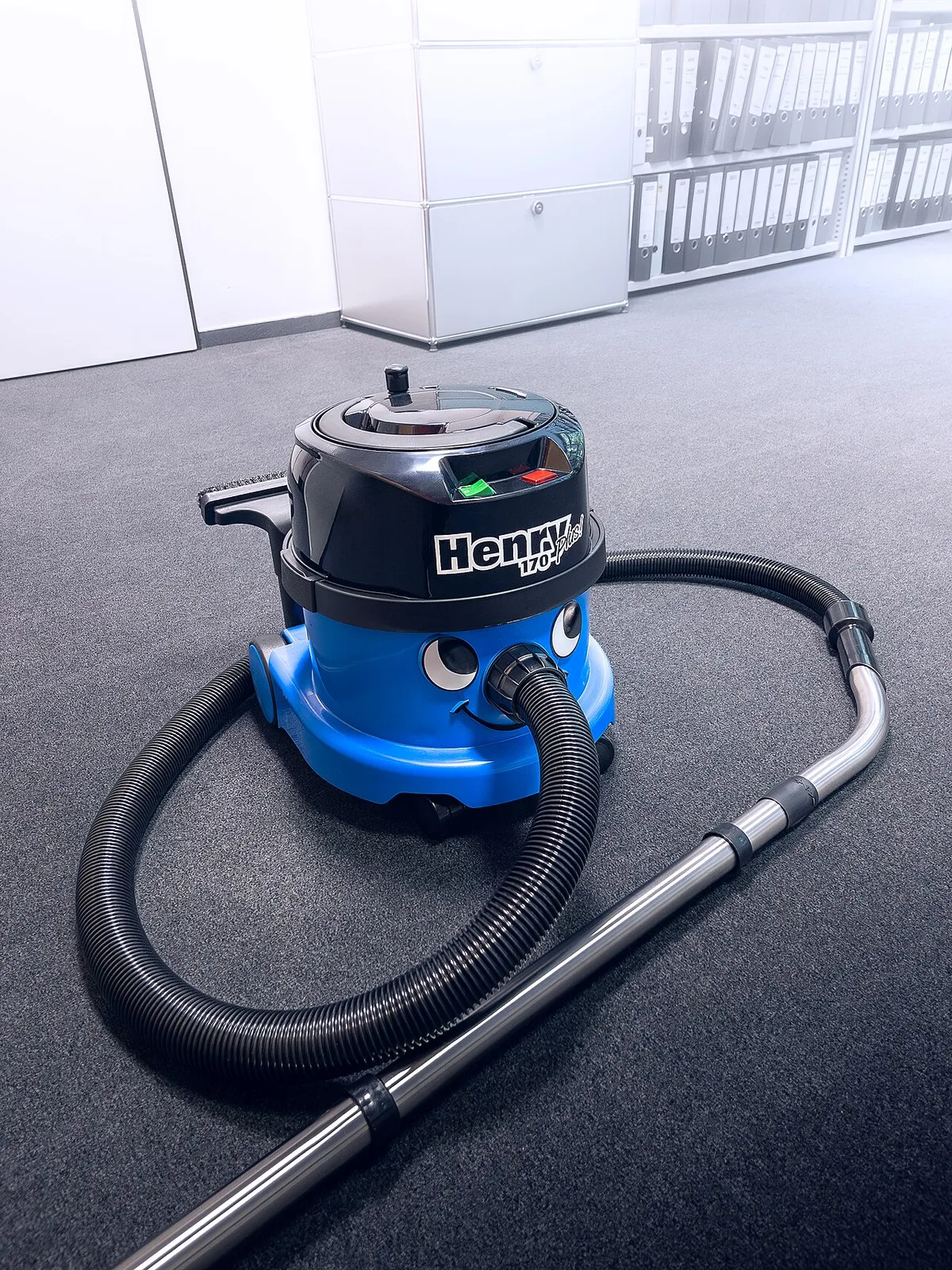
Review handling and consumables before a purchase
Use the instructions to identify where the owner opens the container, whether a bag is required and how the correct replacement is selected. Plan the ordinary handling space without assuming that a particular design eliminates all contact with waste. Do not claim filtration or health benefits on the basis of a bag photograph. Those claims need their own appropriate evidence and conditions.
The bag image makes the connection plate visible, which is why compatibility involves more than approximate size. Retain the exact replacement identifier. A pack advertised as generally suitable should not replace a documented fit statement for the candidate model. Ordinary replacement and repair are different questions; this guide addresses the buying record, not disassembly or modifications.
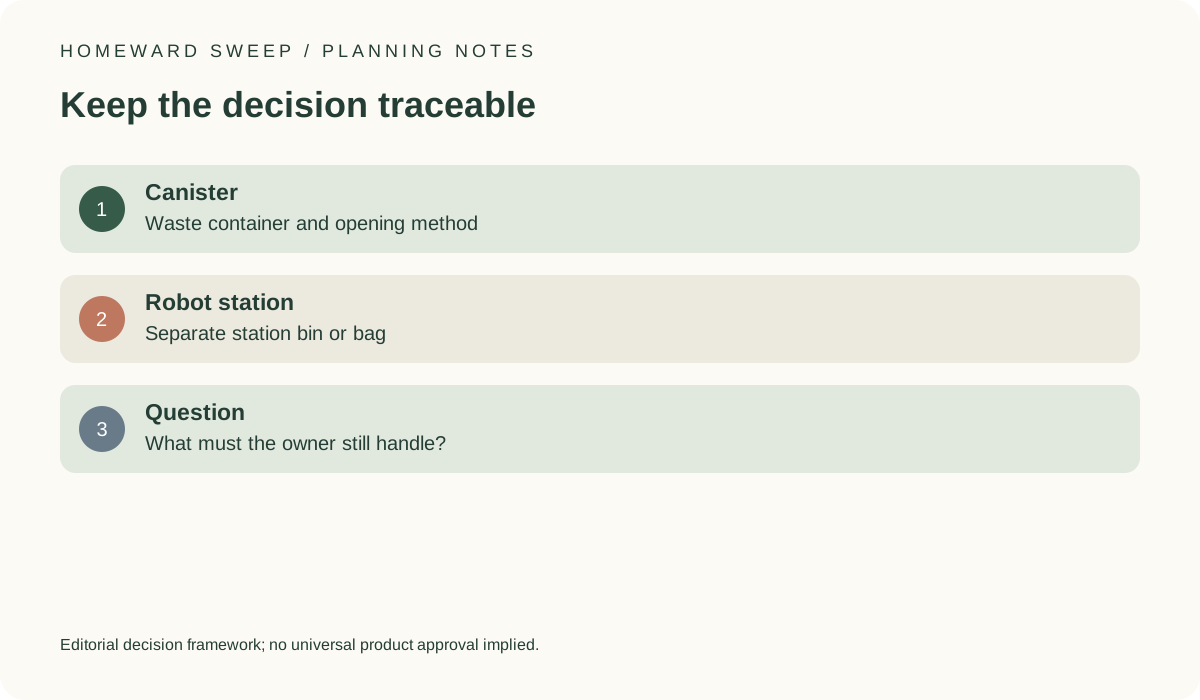
Read station convenience claims narrowly
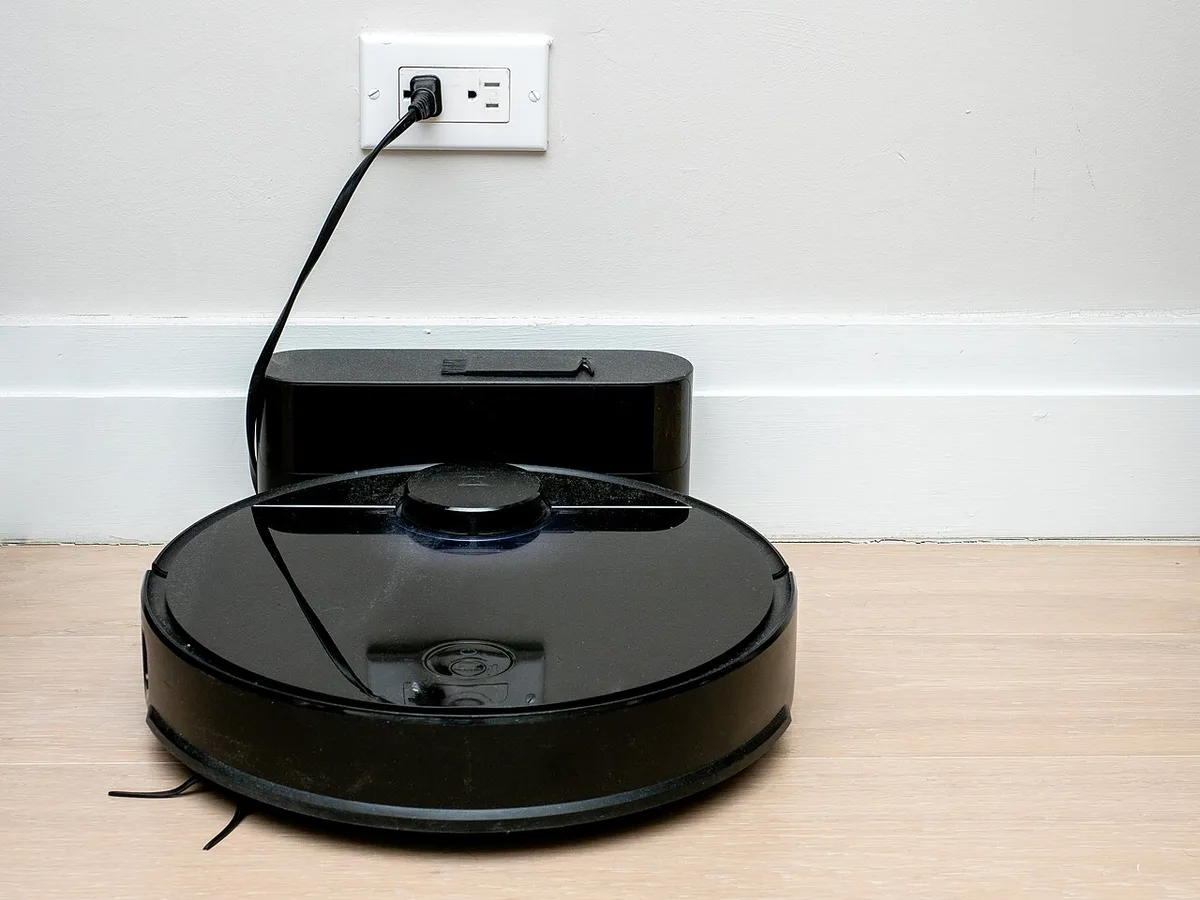
A self-emptying feature should be read for the exact station and robot bundle. It does not mean that supplies never need replacement or that the owner has no waste-handling task. The archival station photograph shows a small charging base only. It must not be used as evidence of self-emptying functionality, large bag storage or any current station capacity.
A useful final comparison lists the stated container volume, the documented emptying method, the replacement part and the budget assumption. If a candidate's headline capacity looks attractive but its ordinary handling does not suit the intended user, keep that practical issue visible. The best record explains the complete routine without inventing performance or predicting a replacement frequency that has not been measured.